
Waterside votes Reform; Paddle Out Protest, Pirates, Santa Maria, the state of the Royal Navy, Barcode blues and more....
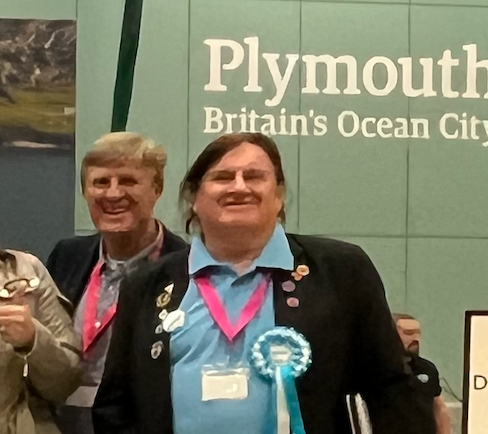
The Waterside has booted out former Labour MP, Alison Raynsford, and elected its first Reform politician.
Andy Rose has been elected to represent St Peter and the Waterside.
Mr Rose was one of 14 Reform councillors elected in Plymouth in yesterday's council elections. He took 29.4% of the vote, and totalled just 49 votes more than Ms Raynsford (28.4%), in a night that also saw Green candidate Rachel Ali win 24.3% of the votes cast.
PCC leader Tudor Evans remains in charge of the council, as only one third of the Labour-controlled authority was seeking re-election. The Waterside's other councillors are Chris Penberthy and Lewis Allison, both Labour.
Result in full:
Andy Rose (Reform) Elected: 1,297 votes (29.4%)
Alison Raynsford (Labour), 1,250 votes (28.4%)
Rachel Ali (Green), 1,072 votes, (24.3%)
Kevin Kelway (Conservative), 426 votes (9.7%)
Hugh Janes (Lib Dem), 225 votes (5.1%)
Ben Barton (Independent), 85 votes (1.9%)
Ryan Andred (Trade Union and Socialist), 51 votes (1.2%)
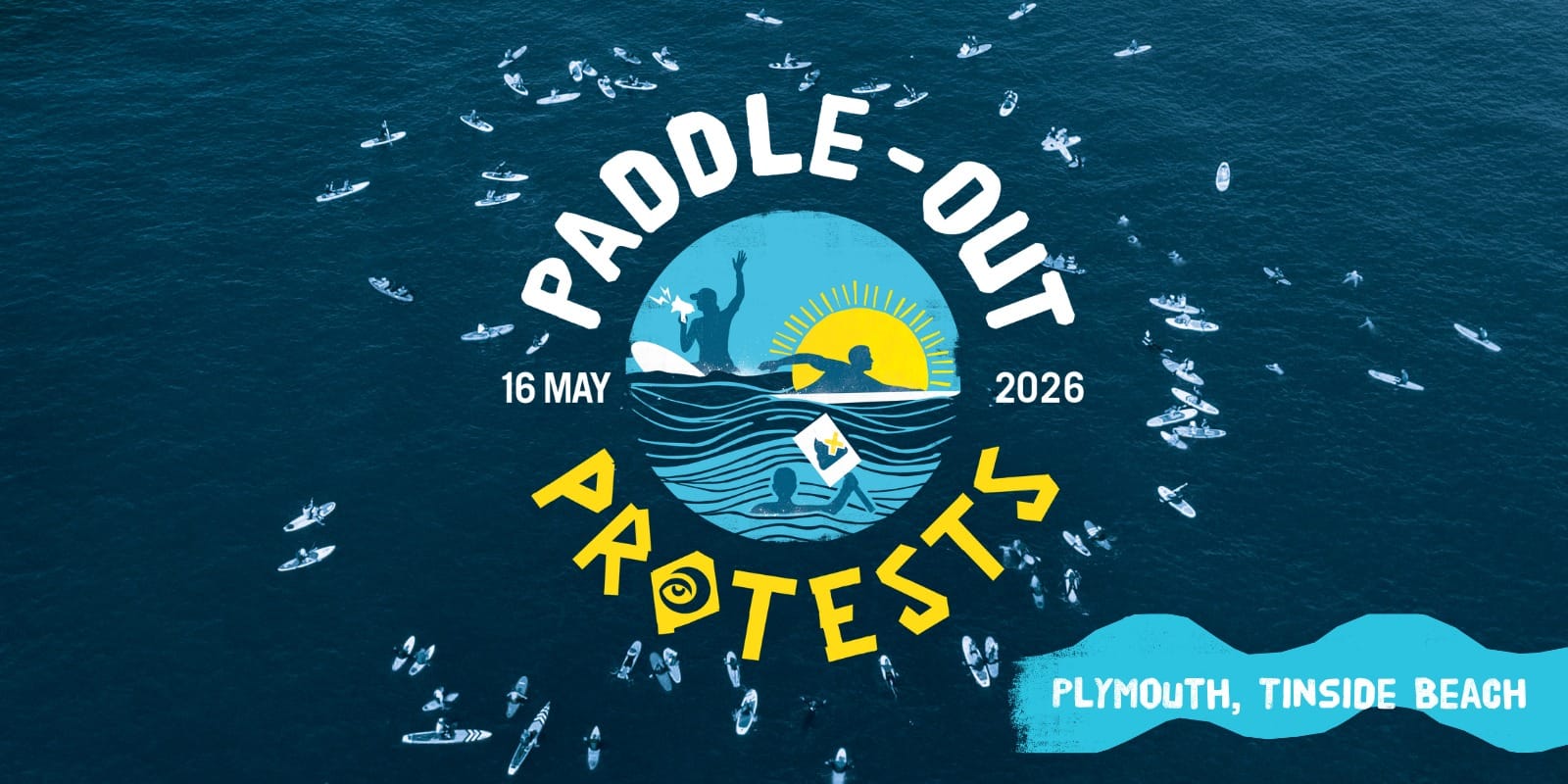
Campaigners in Plymouth are set to join a nationwide day of action demanding an end to sewage pollution in the UK’s rivers and seas.
A Paddle Out Protest organised by Surfers Against Sewage will take place at Tinside Lido next Saturday, May 16, bringing together swimmers, paddleboarders, surfers and sea users in protest against water pollution.
The event forms part of what the charity says will be its “biggest and most impactful” national Paddle Out Protest yet, with demonstrations planned at beaches, rivers and coastlines across the country.
People are expected to gather around the historic Art Deco lido on the Hoe from 8am before entering the water or protesting from the shoreline. Organisers say the event is open to everyone, whether they choose to paddle out, swim, or simply show support from the waterfront.
Surfers Against Sewage says the protests are aimed at highlighting continued sewage discharges into UK waterways and increasing public anger over pollution incidents. The group is calling on the Government, regulators and water companies to take stronger action to tackle the issue.
The charity said communities across the UK are “sick of the lies, sick of the greed and sick of a system that’s rigged against us” as it campaigns for cleaner waterways.
More information about the national campaign can be found on the Surfers Against Sewage website.
Scene on the Sound, by The Captain
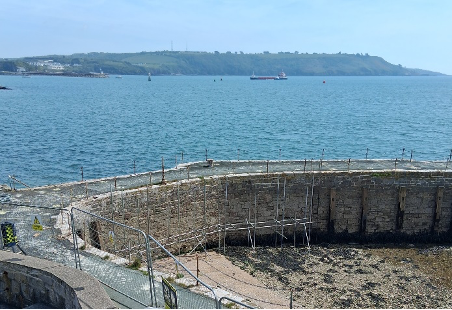
Another busy week on and around the Sound. On land, some scaffolding has gone up at the eastern end of the West Hoe harbour, although there is no sign of any actual work being done there yet!
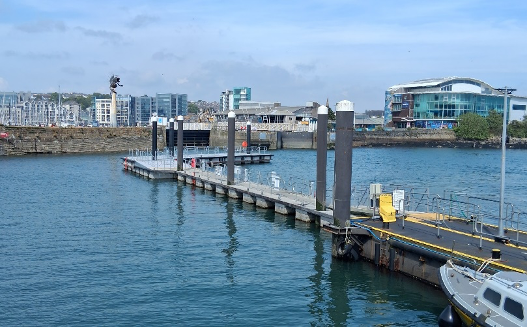
The Plymouth Morris welcomed in the month of May on the Hoe at sunrise on 1st May and then performed outside The Dolphin. Meanwhile a new pontoon has now opened in Sutton Harbour.
At sea, the most unusual visitor was on Monday 4th - the Dutch heavy lift ship Deo Volente. She was carrying a number of smaller vessels on deck, including a large sailing catamaran!
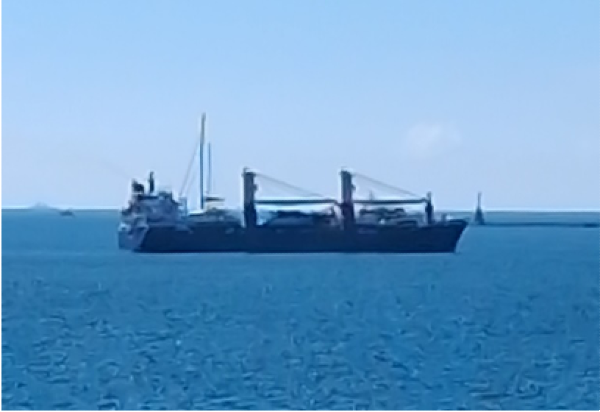
One small ‘gin palace’[1] was seen being unloaded and was towed off towards Plymouth Yacht Haven on the Mountbatten peninsula. Having left the Sound on Monday evening, Deo Volente is presently (Thursday morning) in the Strait of Gibraltar, heading for a Spanish port and thence to Corfu.
[1] Gin palaces started in London during the 1820 as upmarket, gas-lit drinking houses designed to sell gin and spirits to the working class. They were a luxurious alternative to the traditional, dingy taverns and quickly became popular for their bright, polished mahogany interiors, mirrors, and engraved glass. Nowadays, to quote Wikipedia, Gin Palace is a (somewhat pejorative) term for a luxurious, and often ostentatious, motor yacht or cruiser designed for pleasure rather than performance, commonly used for weekend leisure, mooring in marinas, and hosting cocktail parties.
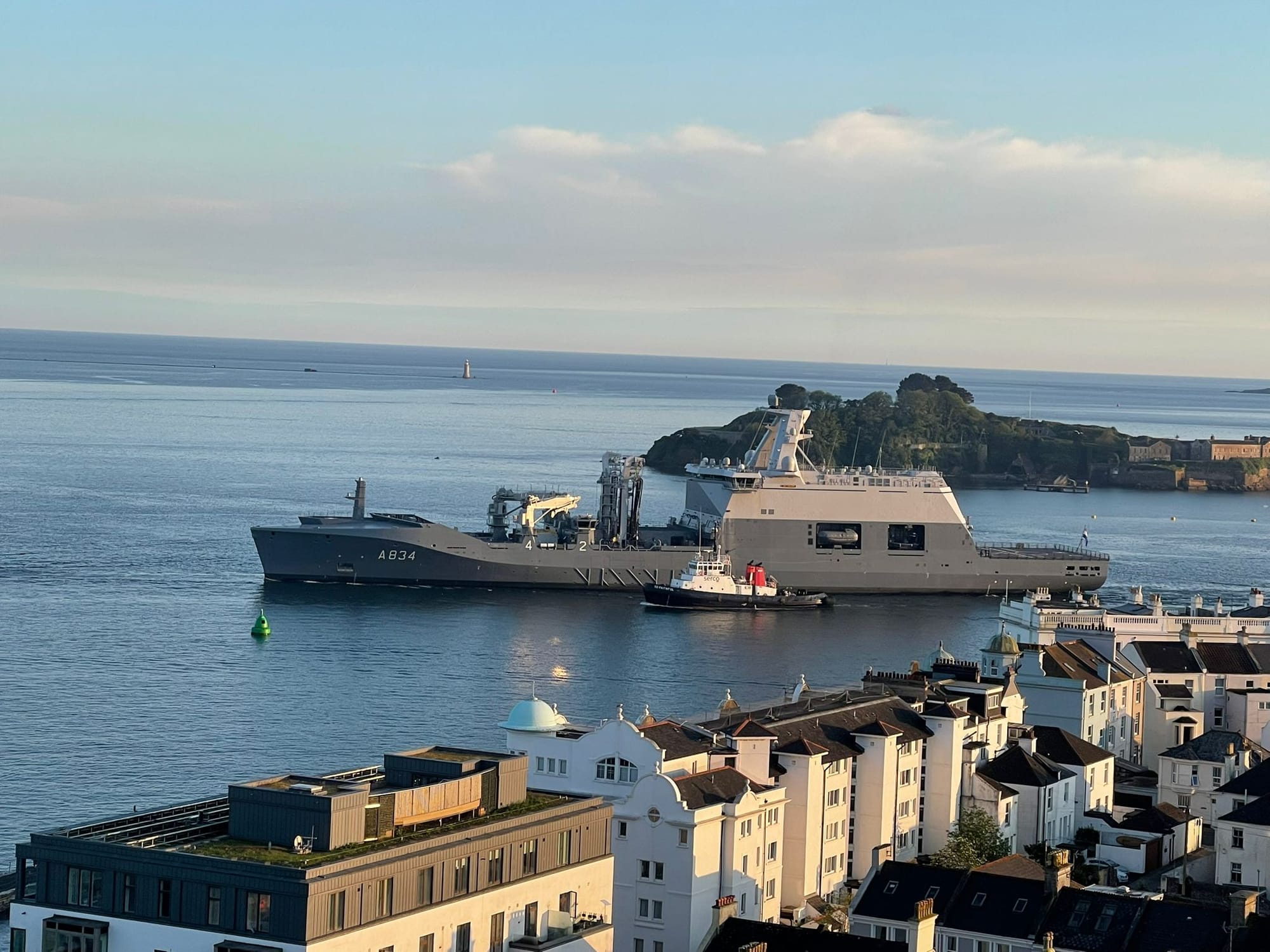
The same naval ships as last week – two frigates – the Norwegian, HNoMS Otto Svedrup, and the German, FGS Oldenburg and the Dutch Combat Support Ship HNlMS Den Helder have continued their training – they sailed on Monday 4th and have been in and out since, spending some nights at sea and some at anchor. They will probably be back alongside this afternoon (Friday).
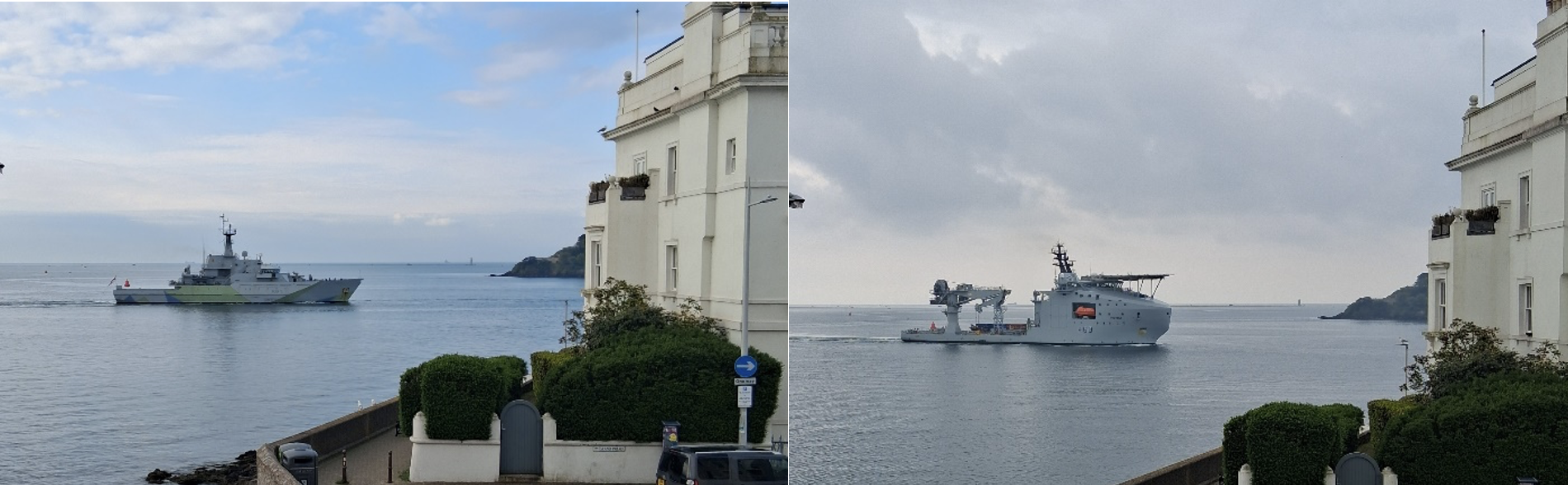
HMS Mersey, an offshore patrol vessel arrived on Tuesday and RFA Proteus, the multi-role ocean surveillance ship (i.e. she keeps an eye on seabed pipelines and cables), has just arrived.
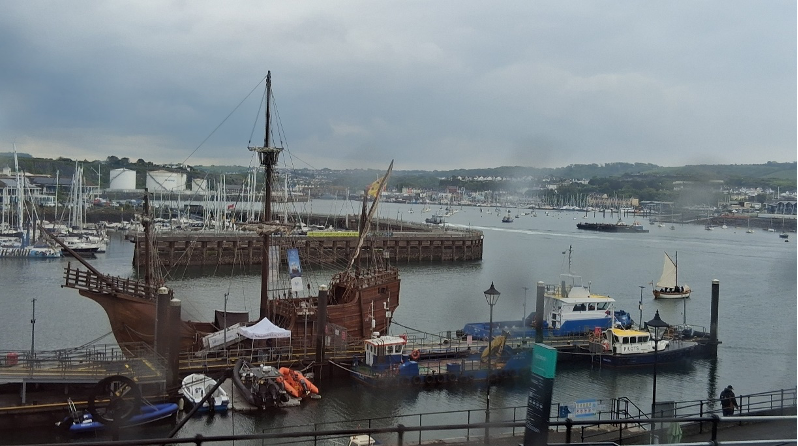
Looking to the weekend, the Pirates will be back this weekend (Saturday 9th and Sunday 10th) from 1000 on Saturday morning. You don’t have to dress up to join them, but do feel free to do so. There will be sea shanty performances, parades, musket firing, puppet shows and stalls selling all sorts of gifts. Charities such as the RNLI (Lifeboats), the Fishermen’s Mission and the Ocean Conservation Trust will also be represented. In previous years, there has also been a fresh fish stall. An addition, this year, will be a raft race at 1600 on Sunday afternoon.
The star appearance this year will be the Nao Santa Maria - a full-sized replica of the ship in which Christopher Columbus ‘discovered’ America in 1492. Santa Maria is open to (paying) visitors daily from 1000-2030 until Sunday 10th.
Special screenings for Attenborough's 100th birthday....
A groundbreaking new immersive experience narrated by Sir David Attenborough opens today in Devonport.
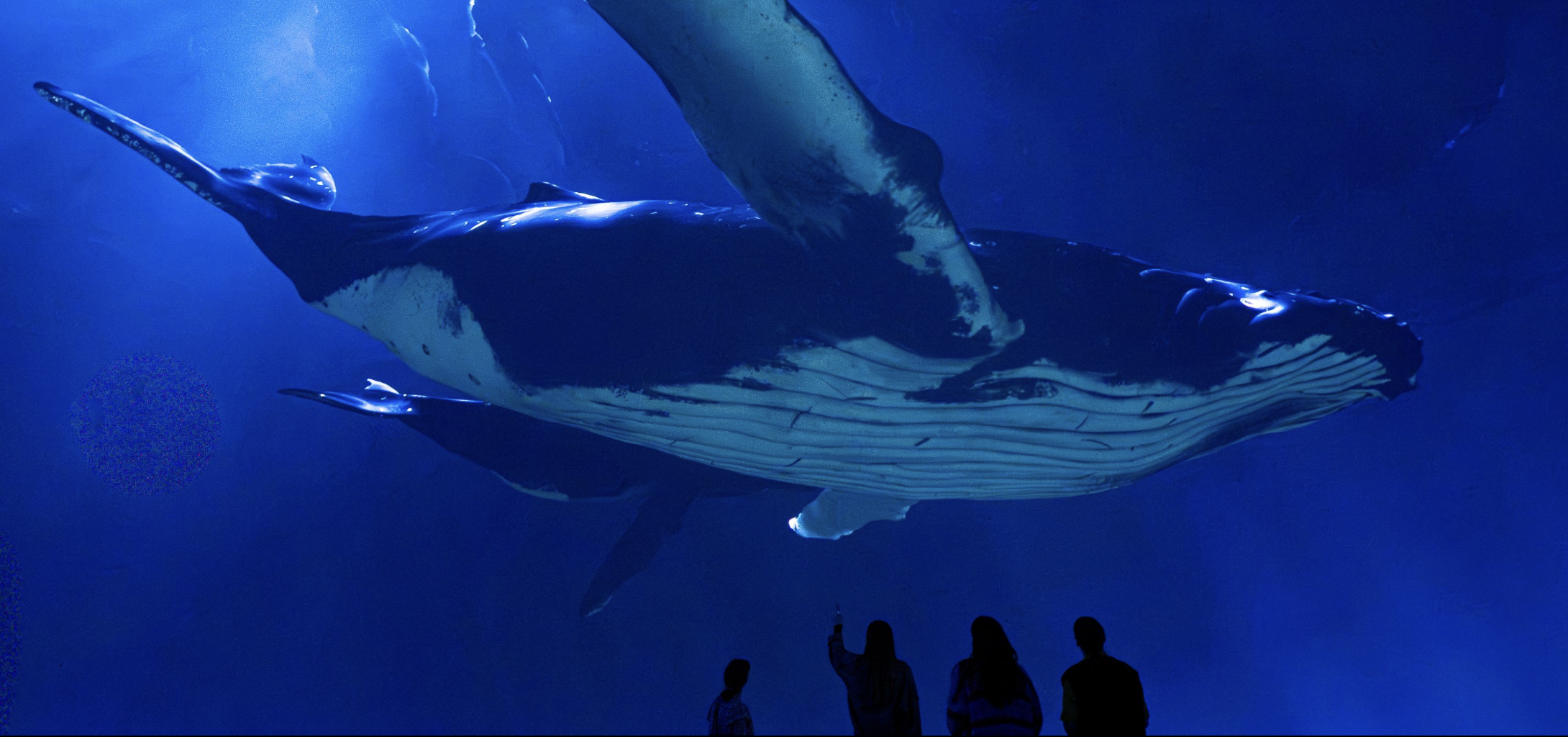
“Our Story with David Attenborough” launches at Market Hall, transforming the venue’s giant immersive dome into a 360-degree journey through the history of Earth and humankind.
The 50-minute experience has been specially reworked for Plymouth by Real Ideas in collaboration with Bristol-based Open Planet Studios. Using huge projections, spatial sound and cinematic storytelling, the show combines real-world footage, animation and music to immerse audiences in the story of the planet and humanity’s place within it.
Previously only seen at the Natural History Museum, the production has been adapted for Market Hall’s cutting-edge dome — described as the first of its kind in Europe.
The launch also coincides with Sir David Attenborough’s 100th birthday, with special preview screenings taking place in Devonport ahead of the public opening.
In the film, Attenborough explores the 4-billion-year story of Earth, the emergence of humans and the environmental challenges facing the planet — while also offering a hopeful message about the future.
Screenings begin this evening (Friday) and continue throughout May at Market Hall in Devonport. Tickets and details here
...and Plymouth features in Attenborough tribute video...
Plymouth Climate Choir and the city's Rebel Botanists have starred in a tribute song to Sir David.
They gathered on Plymouth Hoe last month... and were filmed by The Beagle.
Their singing has been included in a global video released today, supported by musicians Pete Townshend and Brian Eno, as part of this weekend's birthday celebrations.
Watch the video featuring Plymouth:
Fighting Force?
By The Captain
The Royal Navy is now reduced to five frigates, with the withdrawal of HMS Iron Duke from service. For comparison, in 1968 (when I joined), there were 72 frigates on the books, with another five in build. This was a different era – the Cold War was in full swing and the Royal Navy still has worldwide responsibilities. However…..
The 16 Type 23 frigates, of which Iron Duke was one, were designed for a life of 18 years. The first of class (HMS Norfolk) entered service in 1990 and the last (HMS St Albans) in 2002. This means that the last Type 23 should have left service six years ago, but they have had to be refitted to keep them going.
The withdrawal of HMS Iron Duke is probably because her basic hull structure is no longer strong enough for sustained operations in the North Atlantic. The old proverb about putting new wine into old bottles is all too true.
No new frigates were ordered until 2017 (the Type 26s) and the first will not be in service until 2027, or more likely 2028. The consequence of the political decisions to ‘save’ money in the short term, by not ordering any new frigates[1] had several very expensive long term consequences – not only the loss of maritime credibility, naval expertise and general deterrence but also, just as seriously, the destruction of the shipyards, their experienced shipbuilders and the wider supply chains needed to build a complex modern warship.
[1] The frigate is often described as the workhorse of a navy – they are inherently versatile and can be employed on almost any naval task from fishery protection or disaster relief to convoying and high-intensity warfighting.

Comments ()