
Why is there so much jet activity over Plymouth this month?

Residents across Plymouth's waterfront have reported a surge in loud jet noise in recent weeks — often described as prolonged “rumbling” overhead, sometimes at unusual hours.
Alongside official explanations, a growing body of publicly available evidence — including flight-tracking data and social media posts — helps explain what may be happening in the skies above the city.
People have taken to social media to document the activity, particularly in the Facebook group South West England’s Aviation Movements, where users regularly share photos, videos and real-time observations.
Posts in the group describe:
- Multiple aircraft flying in formation over the city's waterfront
- Distinctive large jets circling for extended periods
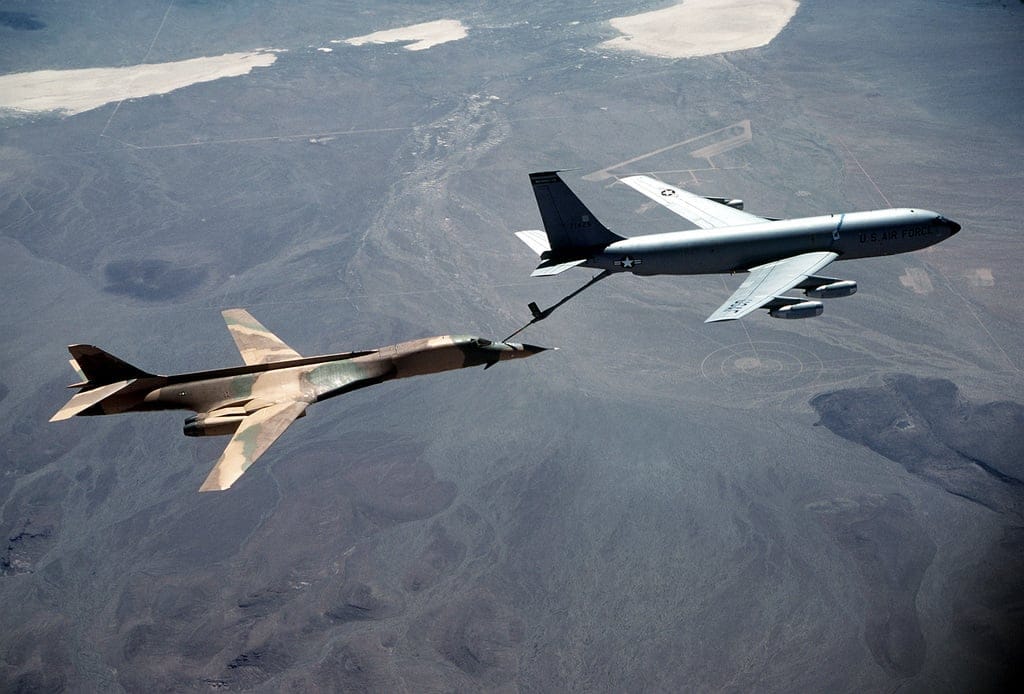
- Clear sightings of refuelling activity mid-air
One post describes “two tankers with B1s about to for refuelling,” while another reports “one pair still refuelling” as aircraft passed over Plymouth.
Others explicitly identify the aircraft involved, with users reporting sightings of “B1 & KC135… over Plymouth” and similar pairings across the region.
While these are not official confirmations, the consistency of reports — often accompanied by imagery — points to a clear pattern of air-to-air refuelling activity.
What flight tracking shows
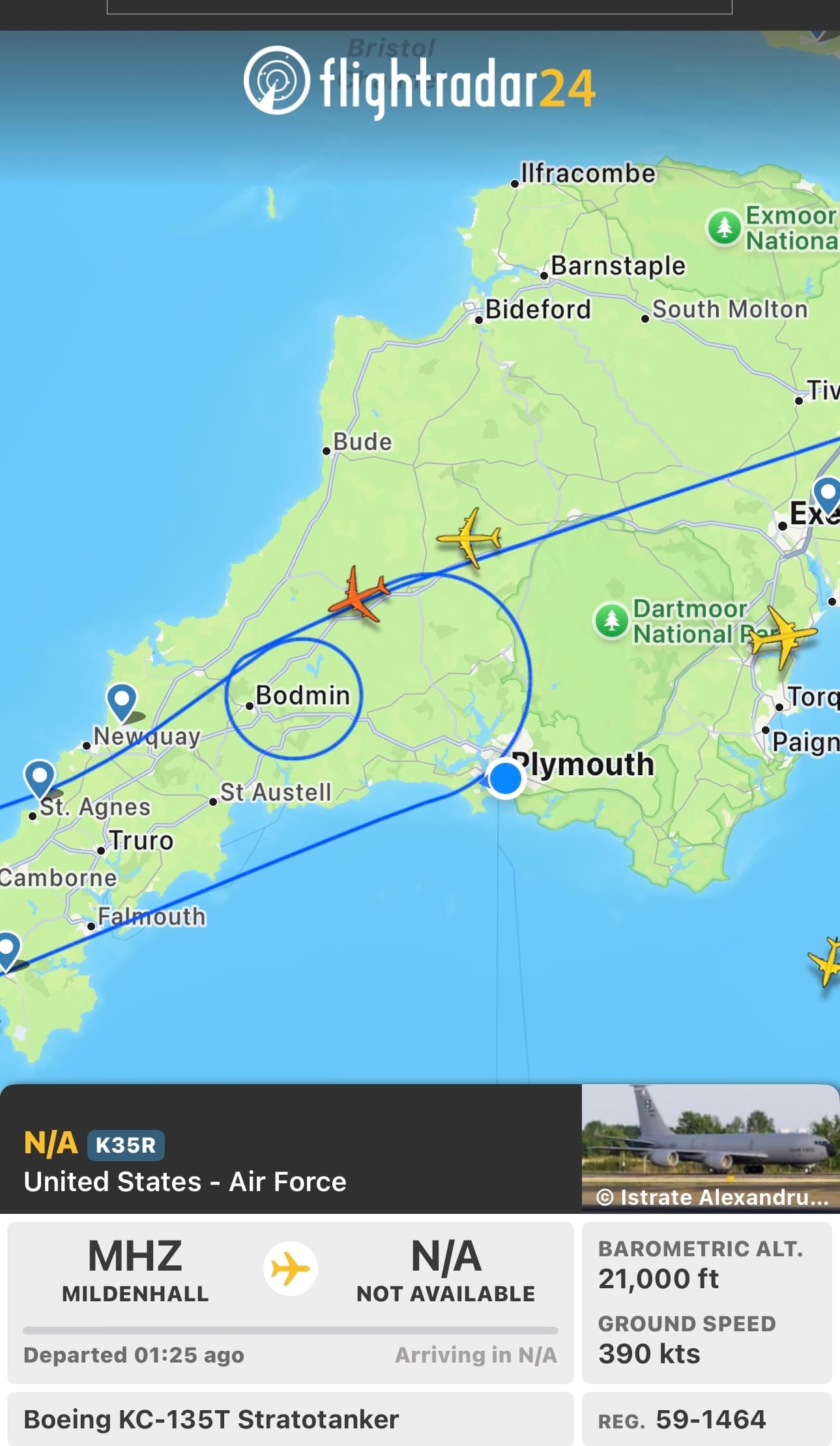
Open-source flight tracking platforms such as Flightradar24 have also been used by aviation enthusiasts to monitor the activity. Data shared online indicates that US Air Force KC-135 Stratotanker aircraft have been:
- Flying repeated loops
- Holding position for extended periods
- Operating within a known refuelling zone labelled AARA10
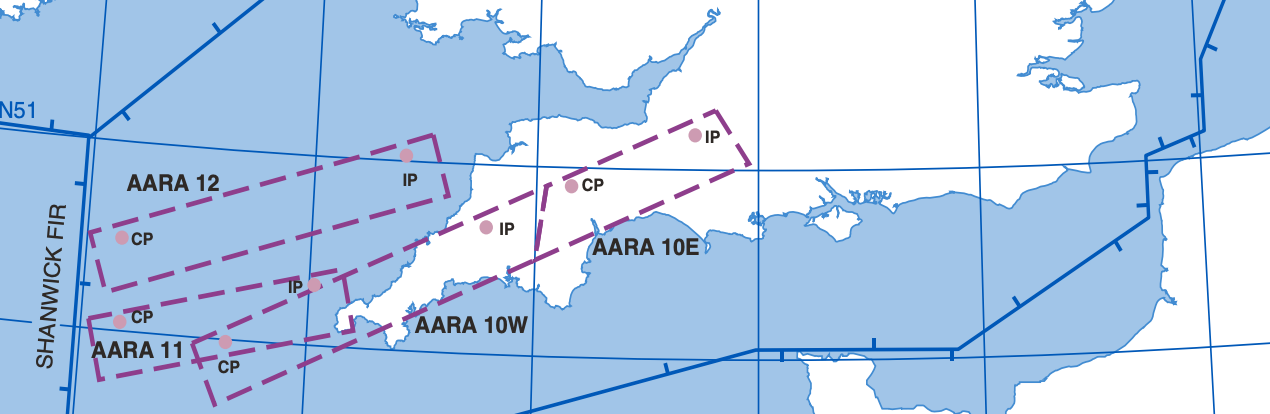
AARA (Air-to-Air Refuelling Area) corridors are pre-designated sections of airspace used specifically for mid-air refuelling operations — and one of these corridors sits right over Plymouth, the South West peninsula and nearby Atlantic approaches. This kind of circling pattern — often visible on tracking apps — is typical of tanker aircraft waiting to rendezvous with receiving aircraft.
The likely aircraft involved
- B-1B Lancer bombers
- KC-135 Stratotanker tankers
The B-1B is a long-range strategic bomber that depends heavily on mid-air refuelling for extended missions, while the KC-135 is specifically designed to provide that capability. When loaded with munition, it is likely to take off from RAF Fairford without a full fuel tank due to weight limits - and then immediately take on fuel over Plymouth before flying its mission.
Is this linked to events in the Middle East?
There is confirmed increased use of UK bases — particularly RAF Fairford and RAF Mildenhall — by US strategic bombers amid rising tensions involving Iran.
While the Ministry of Defence has characterised UK involvement as “defensive,” open-source evidence suggests a broader increase in operational tempo, including long-range bomber flights that would require mid-air refuelling.
The bottom line
The recent spike in jet noise over Plymouth is the result of:
- Increased US military activity operating from UK bases
- Use of the South West as a designated air-to-air refuelling zone
- Aircraft — particularly tankers — circling and holding position during operations
What residents are hearing is not random — it is the sound of a part of the UK’s airspace that is routinely used for complex military operations becoming significantly busier.




Comments ()