
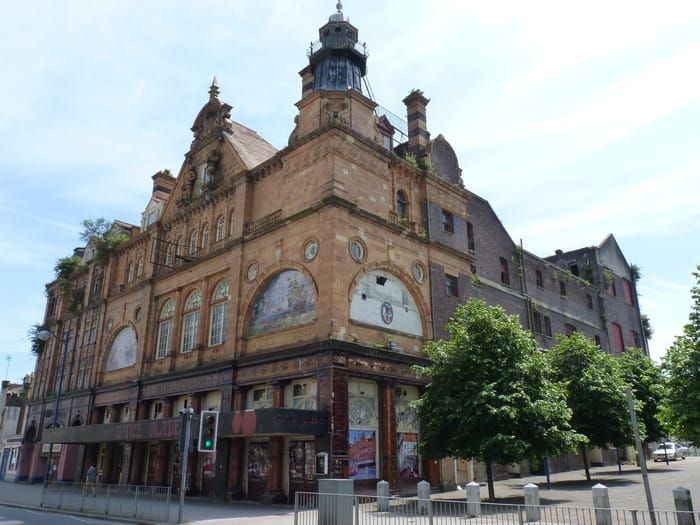
Who, exactly, has the power to save the Palace Theatre?
A Beagle Opinion
It's been on the At Risk register for twenty years and little has changed. Twenty years. Not twenty months, or twenty weeks.
Twenty years of warnings. Twenty years of reports. Twenty years of politicians declaring the building important. Twenty years of heritage experts urging action. Twenty years of watching one of Plymouth's architectural treasures slowly fall apart.
At what point does an "At Risk" register stop being a warning and become little more than an inventory of failure?
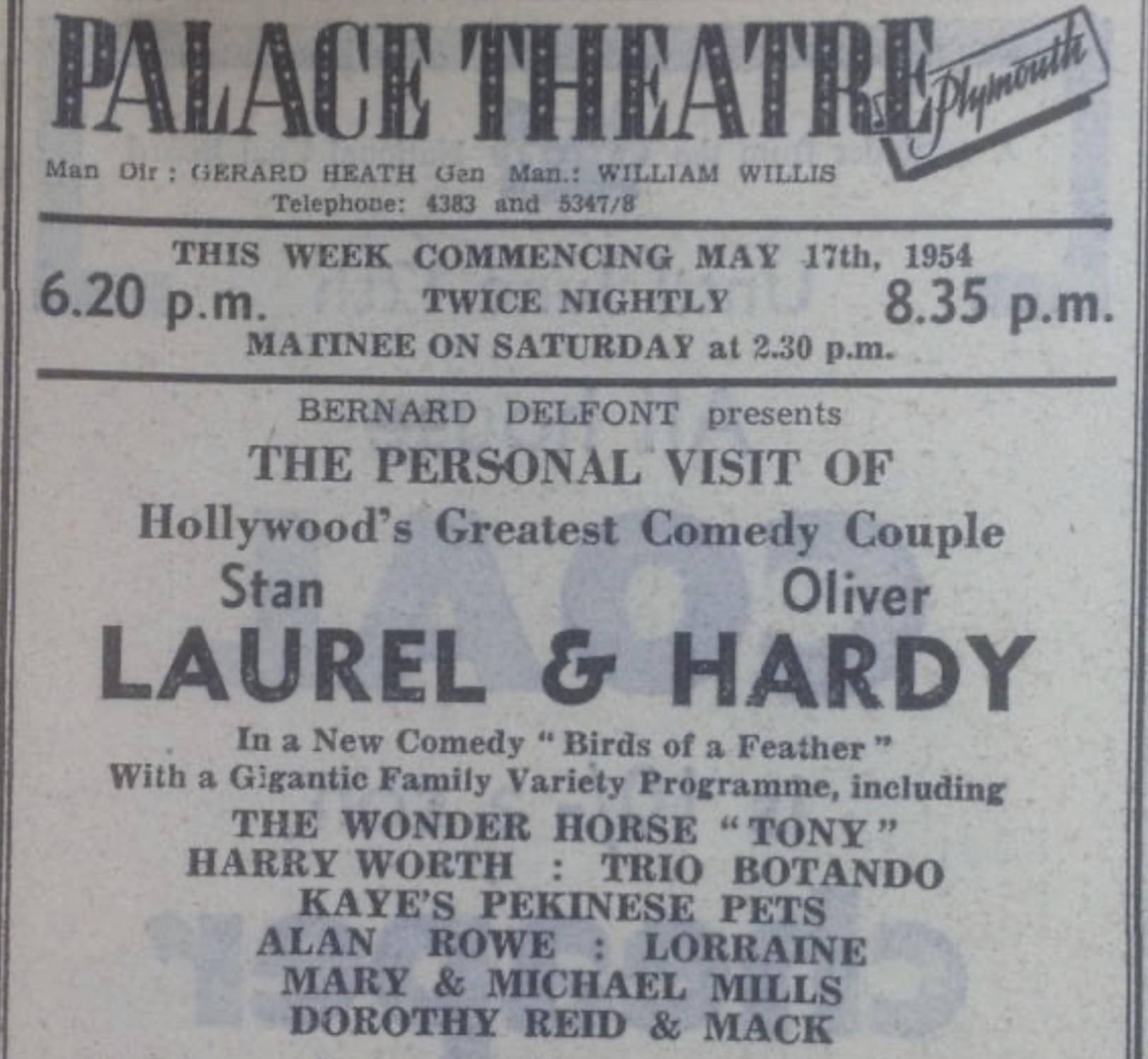
This isn't just another empty building. Comedy legends Laurel and Hardy performed there. Generations of Plymothians passed through its doors. The Theatres Trust describes it as one of Britain's most significant surviving variety theatres.
Everyone agrees it's worth saving. That's the maddening part.
City MP Luke Pollard has repeatedly championed the Palace. Campaigners have worked tirelessly to keep it in the public eye. Heritage organisations continue to sound the alarm.
But sounding the alarm isn't the same as putting out the fire.
If a building can remain officially "at risk" for two decades without meaningful progress, surely it's time to ask a different question.
Not whether the Palace Theatre matters. We already know it does.
The question is who, exactly, has the power to save it—and why haven't they?
Because somewhere between the owner, Plymouth City Council, Historic England, Theatres Trust, Government ministers and local MPs, responsibility seems to have dissolved into a fog of good intentions.
Everyone expresses concern. Nobody appears to be in charge. There comes a point when a register stops being a rescue plan and starts looking like an obituary. For the Palace Theatre, that point came years ago.
Twenty years on, perhaps it's time to stop adding its name to another list—and start demanding answers from the people with the power to get it off one.
Comments ()