
Red alert flood warning for West Hoe and Royal William Yard!
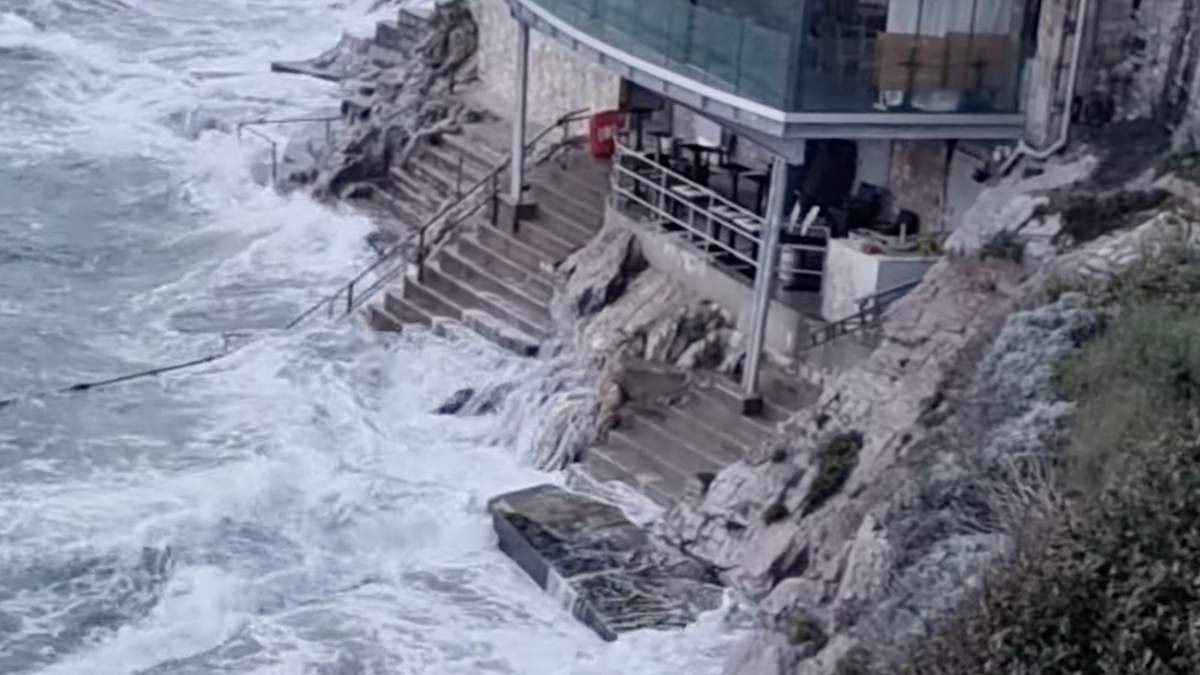
The waterside is on red alert for flooding and wind damage as Storm Ingrid batters the area today (Friday).
The Environment Agency warned that several areas were at risk at both high tides.
These included:
- The Royal William Yard. From Cremyll Street, inside the Yard, to Admiralty Road, and around Devil's Point.
- Millbay Docks. Flooding expected along parts of Camber Road, and all Millbay Docks across to Soap Street.
- West Hoe from Custom House Lane to Hoe Road. Flooding expected to hit Grand Parade, Pier Street, Northumberland Terrace, Eddystone Terrace, Garden Crescent and Great Western Road.
It's the third storm to buffer the waterside in a fortnight, with numerous reports of damage - part of the Azure fell off; trees have been downed; and tiles blown from rooftops. Today train services between Plymouth and Exeter have been disrupted. GWR and Network Rail have announced the closure of rail lines tonight due to severe weather conditions forecast along the sea wall at Dawlish.
Wanted man is found
UPDATED 26/01/25: Devon Cornwall Police advise a man has been arrested.
Police are appealing for information to locate 29-year-old Benjamin Old who is wanted on recall to prison. Old, who was originally convicted for robbery, has had his licence revoked.
He has links to the city centre and Hoe areas of Plymouth. Numerous enquiries have been made by police to locate and arrest him.
He is described as a white male, of slim build with light brown hair. He is 5ft 8in tall. Officers are now appealing to the public to report any sightings of him.
Anyone who sees Old is asked to not approach him and call police on 999 immediately quoting reference 50250324669.
Theatre Royal Plymouth’s record-breaking Festive Appeal

Theatre Royal Plymouth (TRP) has announced that its Festive Appeal 2025 raised a record-breaking £42,689.94. This is an increase of more than 78% from last year’s total of £23,900. It also raised a further £12,240 from the Big Give Christmas Challenge and £1,365 from a pantomime-inspired Crowdfunder.
All proceeds raised will support young people from the local community in the year to come, with money from the Big Give specifically, going towards specific projects including launching TRP’s brand new community initiative, Young Company – Our Space.
Two centuries on, why John Foulston and George Wightwick still matter to Plymouth
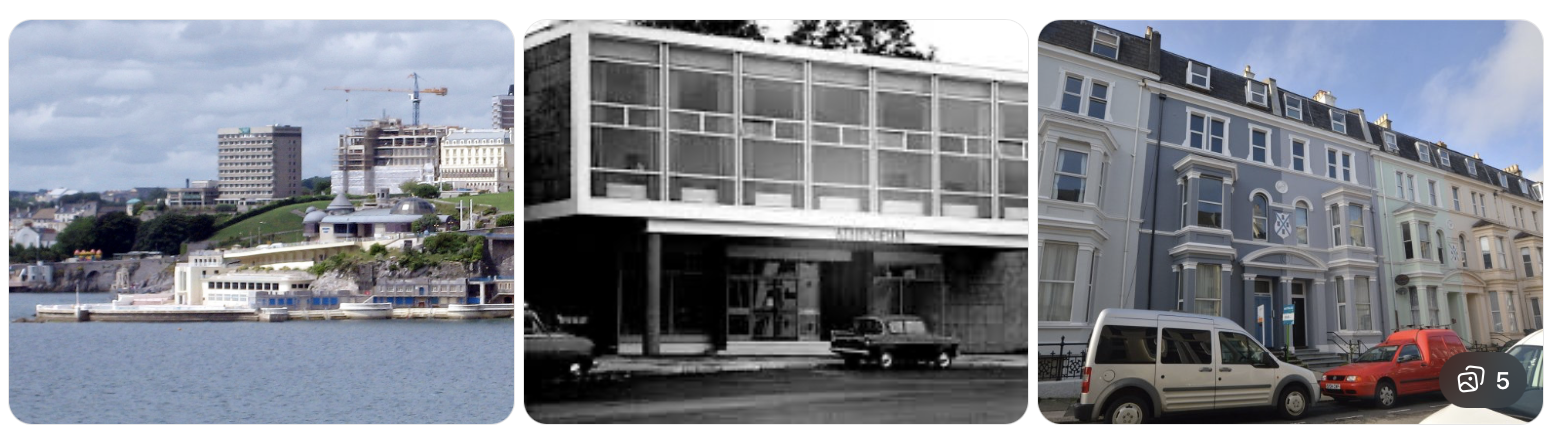
Walk the streets just behind Plymouth Hoe and it’s easy to miss what you’re looking at. Athenaeum Street, Holyrood Place and Alfred Street don’t shout for attention. They are polite, orderly and quietly confident. But 200 years after they were laid out, these streets explain more about Plymouth’s future than almost any single building.
The key figure was John Foulston, the dominant architect and town planner in Plymouth during the early 19th century. Arriving as the town was expanding rapidly on the back of naval power and trade, Foulston did something unusually modern: he treated Plymouth as a place that could be planned, not merely built upon.
Instead of allowing housing to creep outwards in a jumble of lanes and backstreets, Foulston promoted a structured expansion around the Hoe. Streets were laid out as ensembles, with consistent scale, proportion and alignment. Houses mattered, but the street mattered more. The result was a coherent urban quarter that projected confidence and respectability at a time when Plymouth was keen to be seen as more than just a working port.
This approach paid off. The Hoe became a desirable address for naval officers, professionals and civic leaders. Cultural and intellectual institutions followed, most notably the Athenaeum. Grand civic statements, such as the Guildhall and later the Esplanade terraces, worked precisely because they were supported by disciplined “background” streets like Holyrood Place. These were the connective tissues of the city — not glamorous, but essential.
Foulston’s architecture was classical and restrained, reflecting Regency ideals of order and rationality. Yet his real legacy lies less in façades than in urban structure. He created a hierarchy: seafront promenades, civic buildings, cultural institutions and solid residential streets, each with a clear role. This hierarchy helped Plymouth absorb growth without losing its sense of place.
After Foulston’s death in 1841, that vision did not collapse. His pupil George Wightwick helped carry the principles forward. Wightwick is better known today as a theorist and writer, but in Plymouth his importance lies in continuity. Later terraces and developments refined, rather than abandoned, the framework Foulston had established. That continuity is rare in British towns of the period, many of which lurched from one fashion to another.
Why does this matter now? Because Plymouth has repeatedly had to rebuild itself — after war damage, post-war planning experiments, and changing economic fortunes. Through all of that, the underlying street patterns around the Hoe have endured. Even where buildings were lost or altered, the logic of the place remained.
Two hundred years on, Foulston and Wightwick matter because they gave Plymouth something resilient: a planned urban identity. Their work shows that good cities are not defined only by landmark buildings, but by the everyday streets that hold everything together. In a city still negotiating how to grow, densify and protect its character, that lesson feels as relevant now as it did in the 1820s.
References:
Historic England, Listed Building Descriptions: Athenaeum Street, Holyrood Place, Alfred Street, The Esplanade
Bridget Cherry & Nikolaus Pevsner, The Buildings of England: Devon
George Wightwick, Hints to Young Architects (1840)
Hoe Forum, History of the Plymouth Hoe area
George Lambrick, Plymouth: A City in Evolution
Historic wall at RNLI station needs underpinning
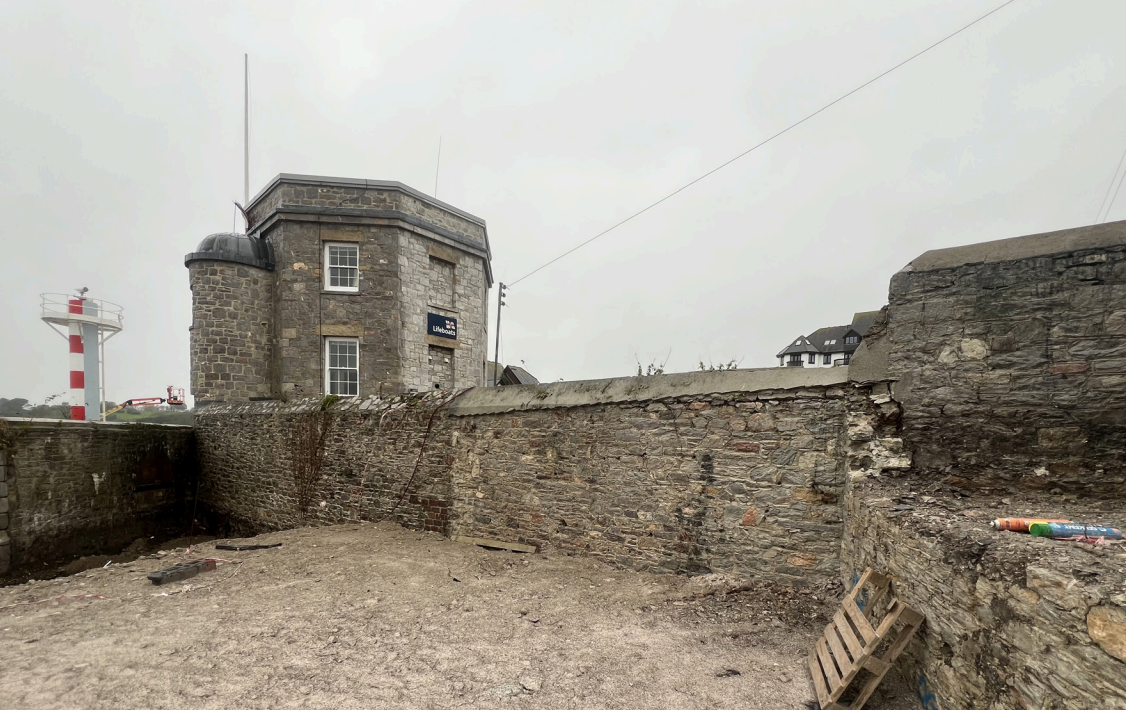
A historic wall at the Grade II listed RNLI station in Millbay needs underpinning.
The City Council this week granted conditional planning permission for the work to be carried out.
The wall’s significance lies primarily in its historic fabric, form, and association with the RNLI building and the broader maritime heritage of Millbay.
As the proposed works are limited to structural stabilisation below ground level, there will be no loss or alteration of historic fabric above ground, and the wall’s form, setting, and contribution to the listed building’s character will remain wholly unaltered - according to the applicants, Pinwood Homes Ltd.
The work is designed to secure the wall’s long-term preservation and prevent further deterioration, ensuring its continued contribution to the setting of the listed RNLI building.
Memorial service for former MP
A memorial service for Oliver Colvile, who was MP for Plymouth, Sutton and Devonport between 2010 and 2017, is being held at St Andrew's Church next week. The service is on Friday, 6 February at 2 pm. Mr Colvile died last October, aged 66.
In case you missed it:
🎤 Plymouth Pavilions rebrands as Plymouth Arena, marking a new era for the South West’s largest indoor arena. Full story here
🕯️ An appeal in memory of Claire Chick, who was killed in West Hoe on January 22 2025, has raised more than £7,000. On the eve of the anniversary of her death, people gathered on Plymouth Hoe for a candlelit walk to raise awareness of domestic violence. Full story from BBC News here
🏊🏼♀️ The transformation of Plymouth’s iconic Mount Batten Watersports and Activities Centre is making waves. Work is scheduled to complete this Spring. Full story here
Fence-watch!
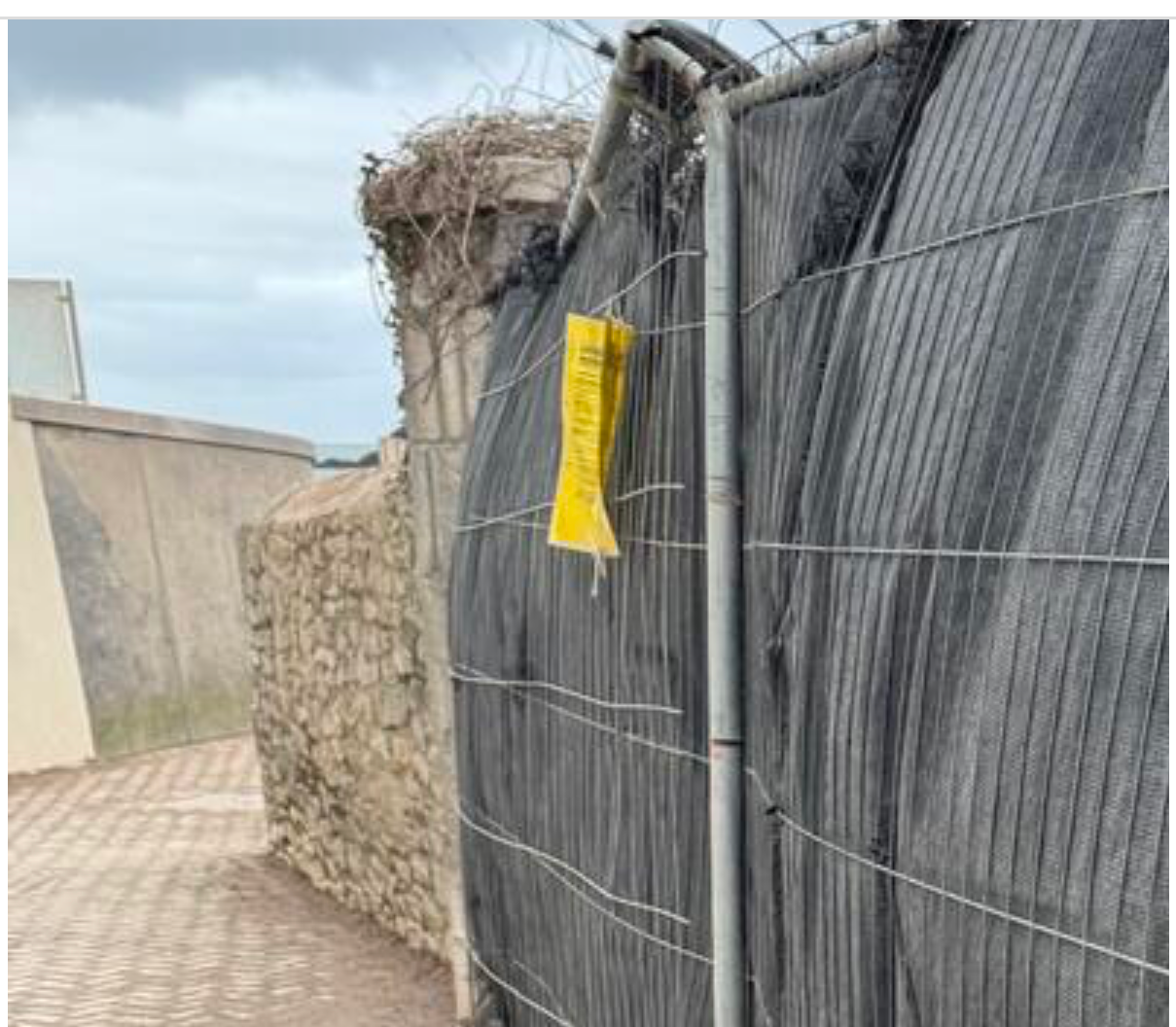
This week it's our old favourite, the rickety Heras fence on West Hoe that has been the subject of complaint and council action. Better please! Spotted a fence that's been in place for too long? Email us: contactthebeagle@gmail.com
Advert:


Comments ()