
October 2, 2026: FGS Hessen, all about SINKEX, and more on Aviva
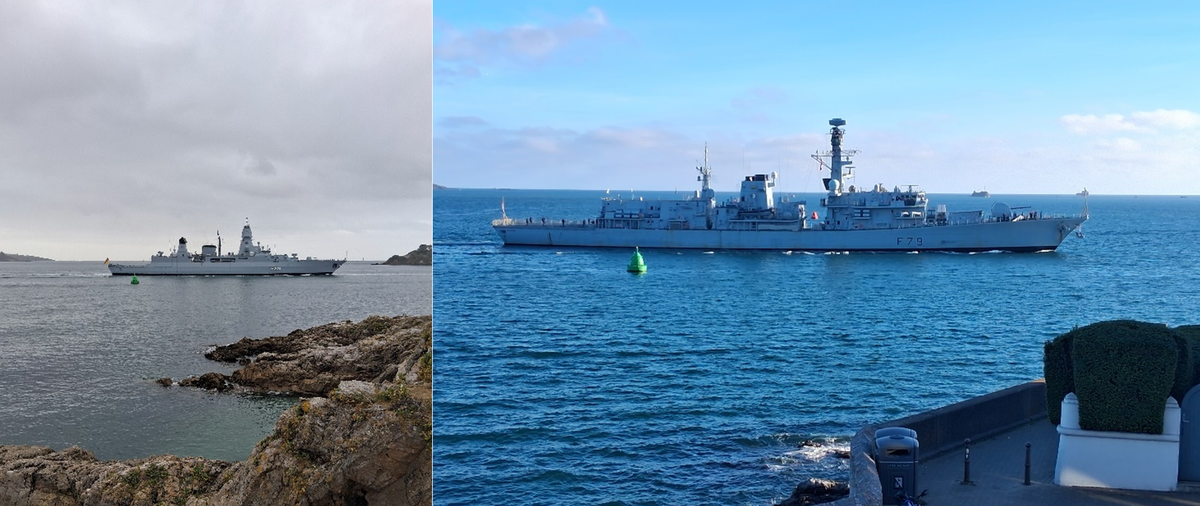
The German Frigate, FGS Hessen, has had the training areas to herself this week. After a couple of weeks here, HMS Dauntless sailed on Monday, and her Automated Identification System has been turned off since. This is quite normal for warships, as they do not wish to advertise where they are going and nor are they required to – unlike merchant vessels, which are supposed to have their AIS on at all times.
On 21st September, about 150 miles off NW Scotland, there was an RN/USN SINKEX. A SINKEX is an exercise conducted very occasionally (they are very expensive to arrange and conduct), where a decommissioned warship will be used as a target for live weapons. In this case, in Exercise Atlantic Thunder 26, the decommissioned frigate USS Klakring was the target.
After de-storing and de-ammunitioning, she will have been thoroughly cleaned to remove all fuel, lubricants, hydraulic fluid, etc., so there will be no pollution when she sinks. Then her hulk will be thoroughly rigged with cameras and other equipment so that the effects of the various items of ammunition can be assessed. Of course, the sea area around, above, and below has to be checked to ensure the firings can be conducted safely too.
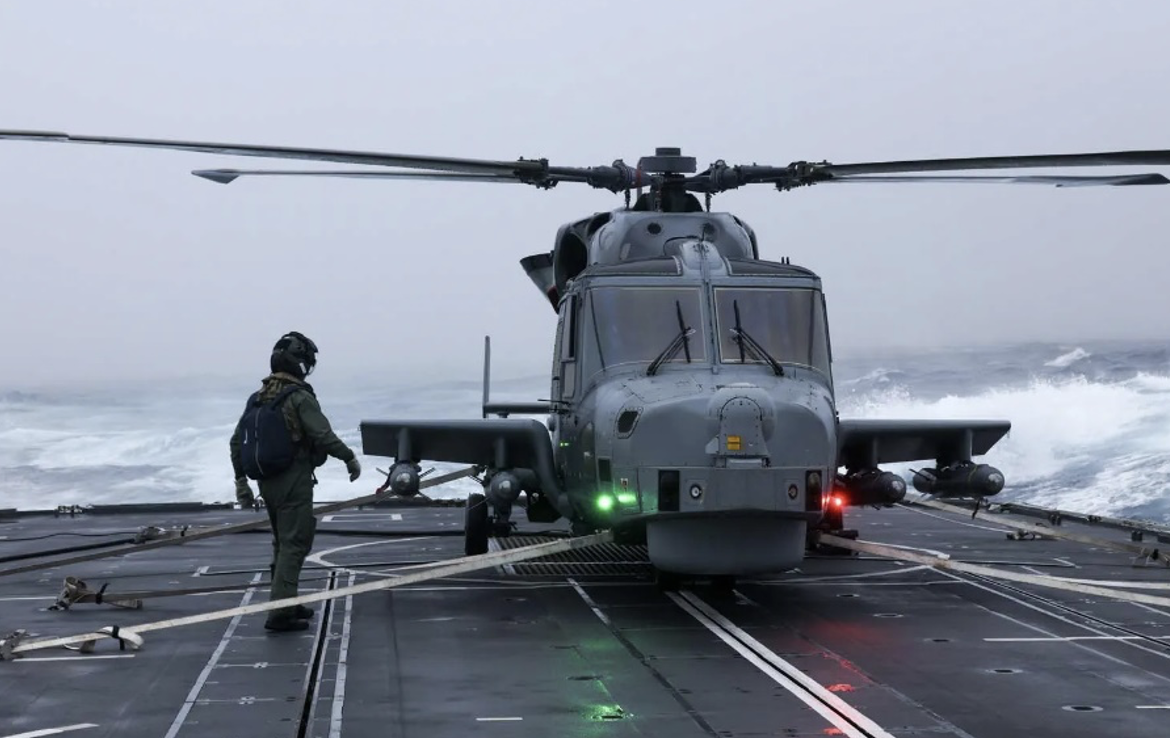
The order of firing needs to be carefully thought through – if the first weapon actually sinks the target, then no other ships get to fire. In this case, the USS Paul Ignatius fired one of her Standard Mk 6 (SM6) missiles at ‘maximum’ range – not disclosed, but around 250 miles. This missile will have been on a ballistic flight path (i.e. a kind of parabola) and so will have dived steeply onto the target, making it very difficult to shoot down. Second off the mark was HMS Portland with her Norwegian-made Naval Strike Missile (the NSM). Once again, the range was not declared, but the NSM has a range of over 100 miles. Again, this would have provided any target with a very difficult defence problem, as the NSM is a sea skimmer in its final approach. Portland’s firing was the first time the RN had fired NSM at another warship target. The third hit came from HMS Portland’s Wildcat helicopter, which fired a Sea Venom missile. Sea Venom has a range of justover 10miles, and it is understood that this firing has qualified the Sea Venom as a fully operational missile system.
The battered ex-Klakring was then bombed by USAF F-15E Strike Eagles from RAF Lakenheath and the coup de grace was delivered by the USN’s nuclear submarine, USS Massachusetts, firing an M48 torpedo.
One objective of this kind of exercise is to assess weapon performance in actual service. The weapons used are deliberately not fine-tuned, but are chosen from one of those already onboard the ship or aircraft. The Services always need to know whether their arsenal is fully effective, and using a weapon that is ‘just like every other one in service’ provides some assurance about the serviceability of the rest.
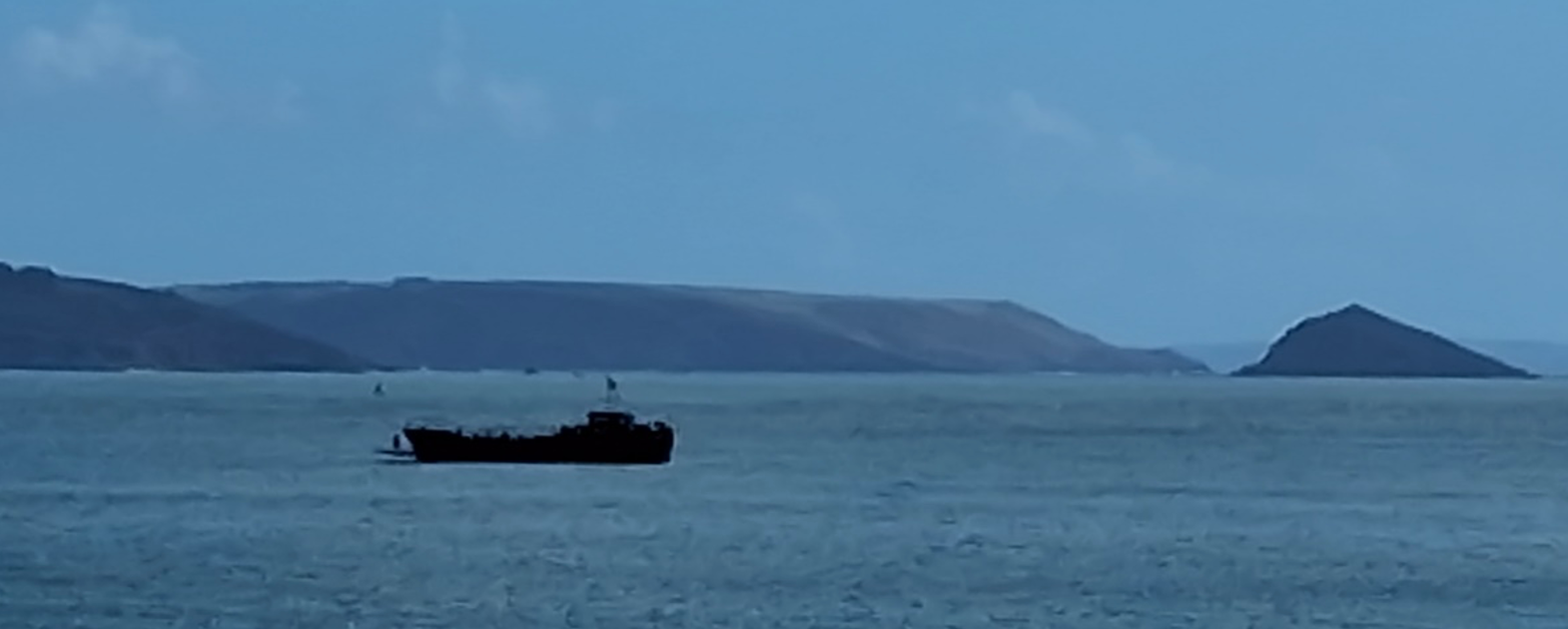
Meanwhile, closer to home, our ‘resident’ superyacht, the Aviva, is now in Gibraltar and the Brazilian Navy has been exercising a Tank Landing Craft (LCT) in Cawsand Bay. The eagle-eyed will have noticed that the LCT was flying a White Ensign, but it is almost certain that she is about to be transferred to, and is already paid for by, the Brazilian Navy
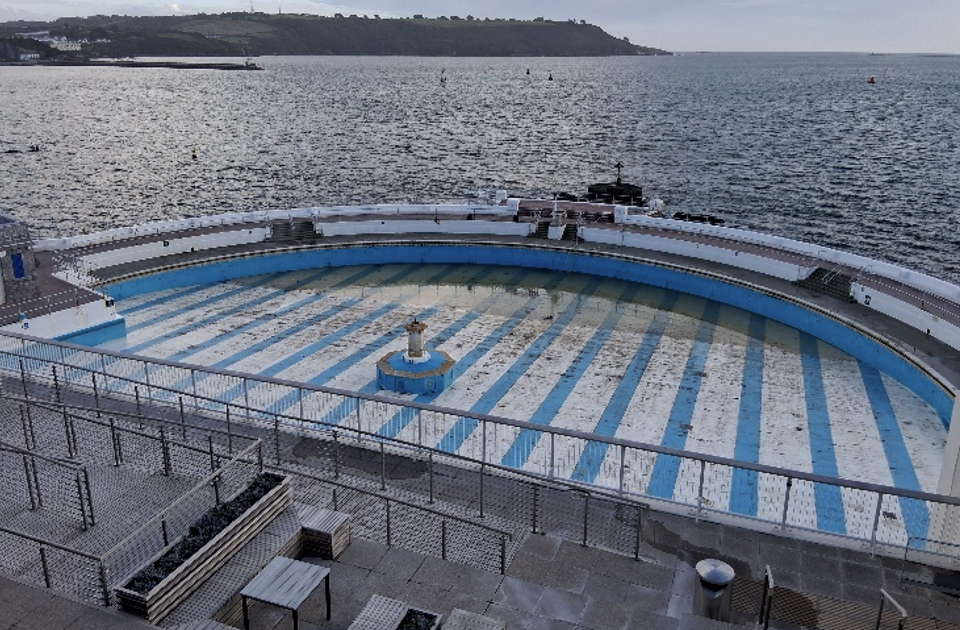
Finally, the Lido is now closed for the winter - and is already looking neglected.

Comments ()