
Exploring Plymouth's naval museum: Devonport Naval Heritage Centre
By The Captain (our maritime correspondent)
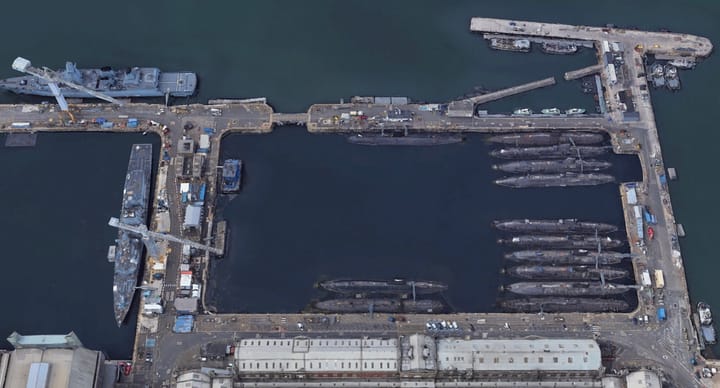
Unknown to many, Plymouth does actually have a naval museum, ‘though for historical reasons, it’s called the Devonport Naval Heritage Centre (DNHC). Many of us will not have ventured into what used to be South Yard – but as well as the Devonport Market Hall (well worth a visit – just Google Devonport Market Hall to see what’s on), the old South Yard now houses several maritime businesses, including Princess Yachts and the DNHC.
The DNHC was founded in 1968 and is housed in the old dockyard fire station and pay office. As it is completely run by volunteers, it is only open from March (it opened for the season last week) to October on Wednesdays and every second Saturday in the month. Opening hours are 1000-1500 (last entry 1415) and the DNHC is free – but donations are very, very welcome (there is no other source of funding).
The DNHC’s message is that the museum is there to tell the story of Devonport Dockyard and Naval Base and their associated ships and people. There are seven galleries – each will be covered in more details over the coming months - with each having a theme. The first two are in the old dockyard fire station.
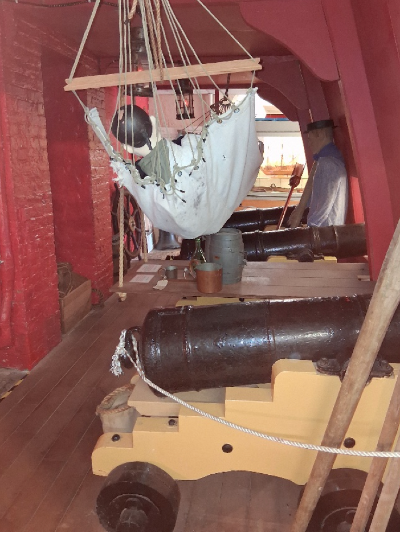
The ‘Age of Sail' gallery covers the establishment of the dockyard in the 17th century and the sailing navy. There are several model ships, a replica of a C17 gun deck, the Royal Navy’s role in stopping the slave trade and a number of unique local artefacts, including the bell from HMS Coronation, lost off Rame Head in the 1690s.
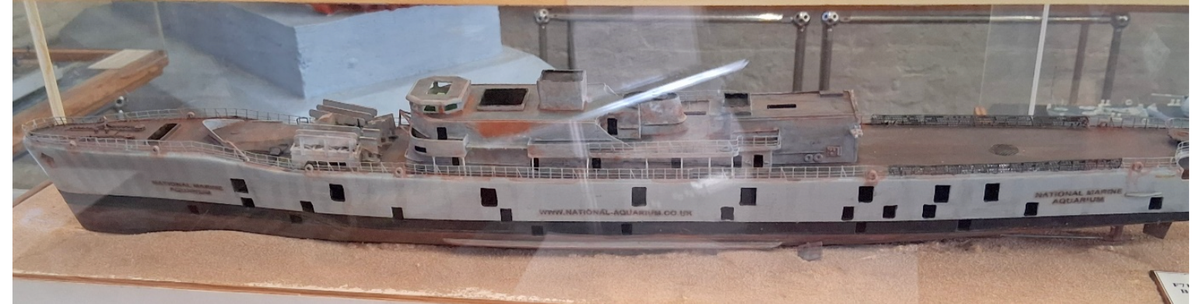
The post-war model gallery has a wonderful collection of ship models from the 12-foot (almost 4m) model of the 4th HMS Ark Royal to one showing how HMS Scylla was configured before she was sunk in Whitsand Bay.
The other five galleries are in the old dockyard pay office. The Warspite gallery tells the story of the transition from wooden sailing to steam-powered steel ones. The culmination was the launch, from South Yard in 1913, of the greatest of all the RN’s battleships, HMS Warspite. I say ‘greatest’, because she fought at Jutland in 1916, Matapan in 1941 and off the beaches on D-Day in 1944. HMS Warspite also has more Battle Honours than any other ship in the Royal Navy.
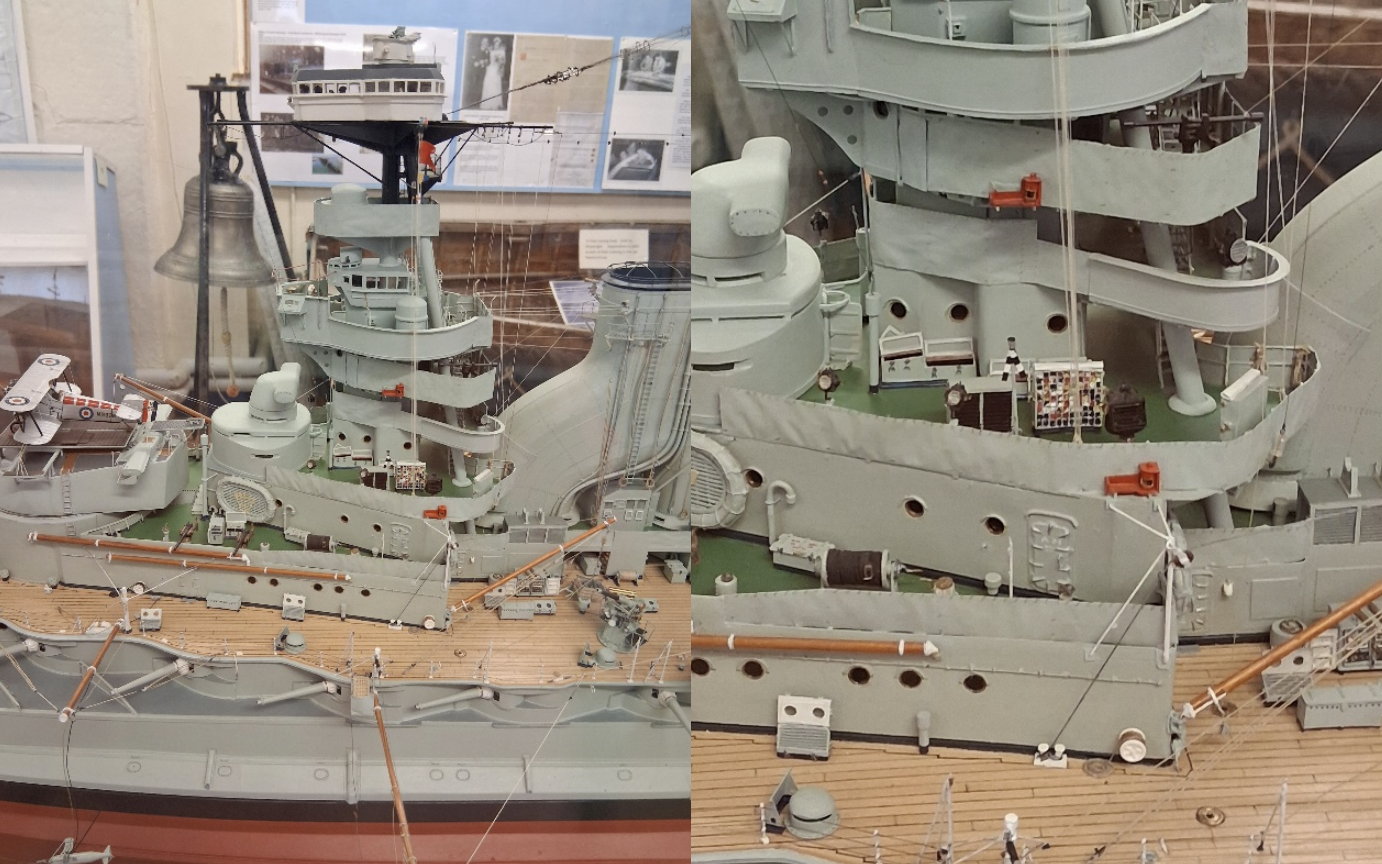
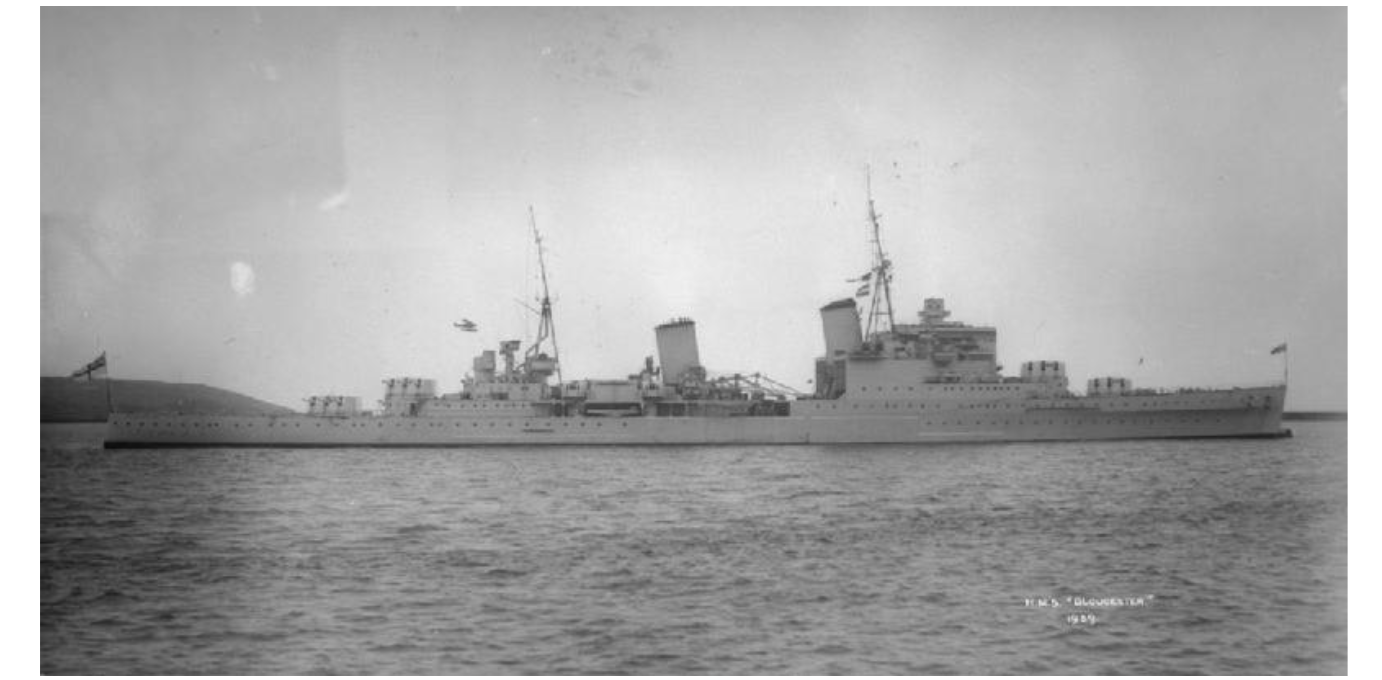
The Devonport Gallery shows the dockyard’s activity during both World Wars, with particular emphasis on the Devonport-built cruiser HMS Gloucester and her three-year life from commissioning in Plymouth in August 1939 to being sunk in the Battle of Crete in 1941.
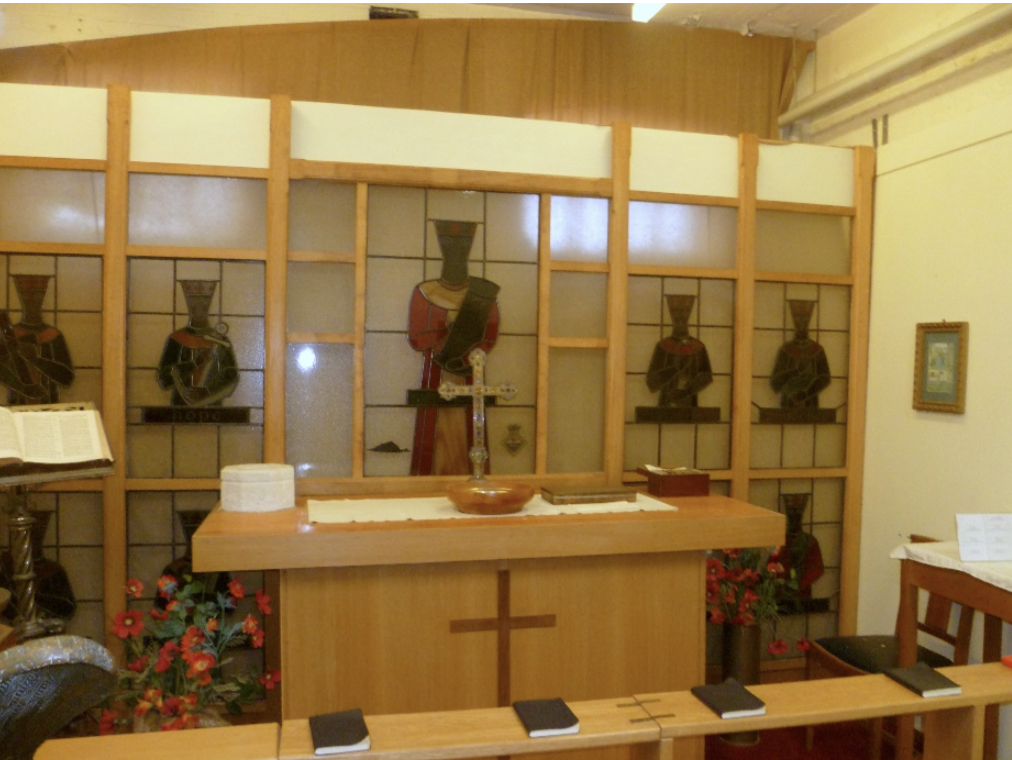
Next to the Devonport Gallery, there are two smaller spaces containing the Courageous Gallery – a celebration of the submarine service in Devonport. This gallery contains a fully operational submarine periscope from an Oberon-class submarine. Next door is a smaller space containing many of the fittings, including the stained glass from the chapel in HMS Cambridge, the Wembury gunnery school.
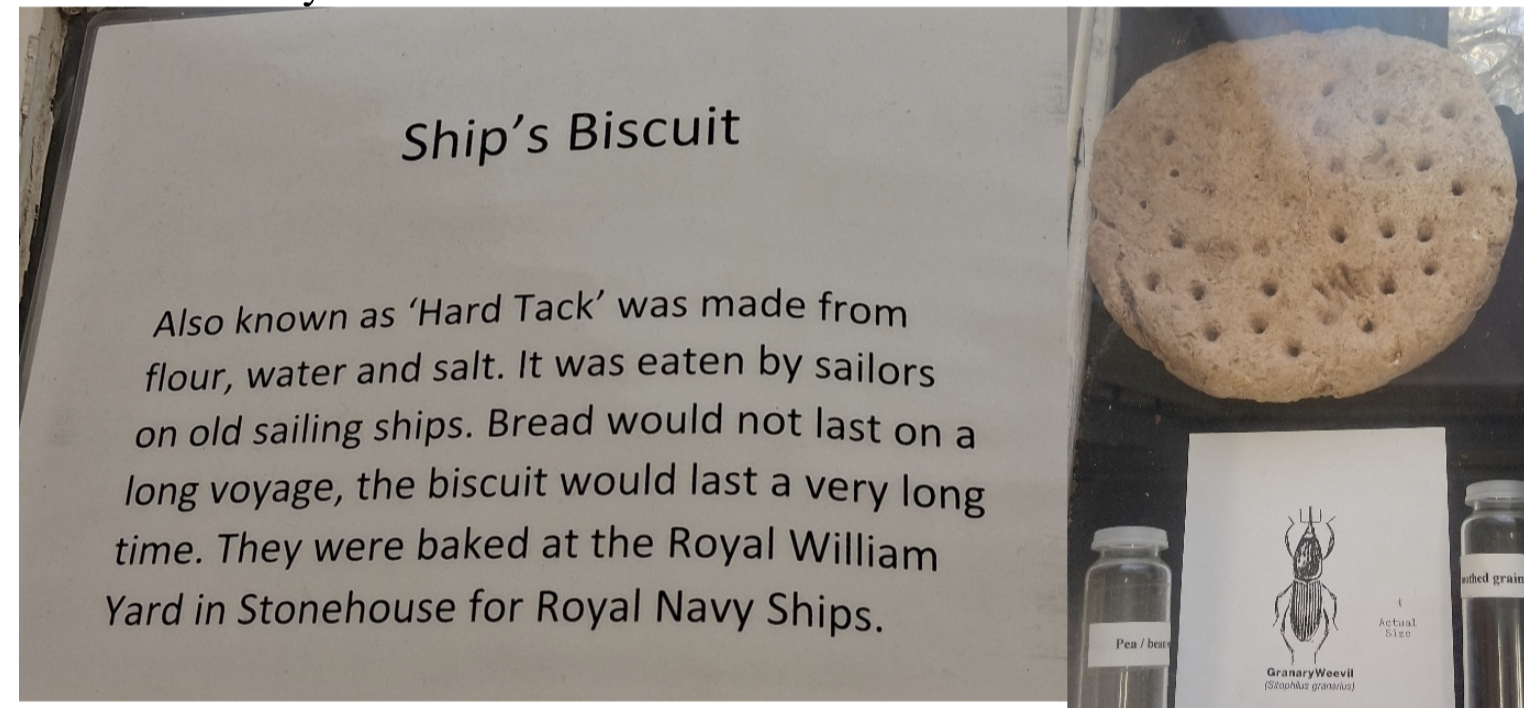
The first floor of the old pay office contains the ‘Victualling through the Ages’ Gallery – which includes details on sailors’ rations and a display of the china from the Royal Yacht Victoria and Albert.
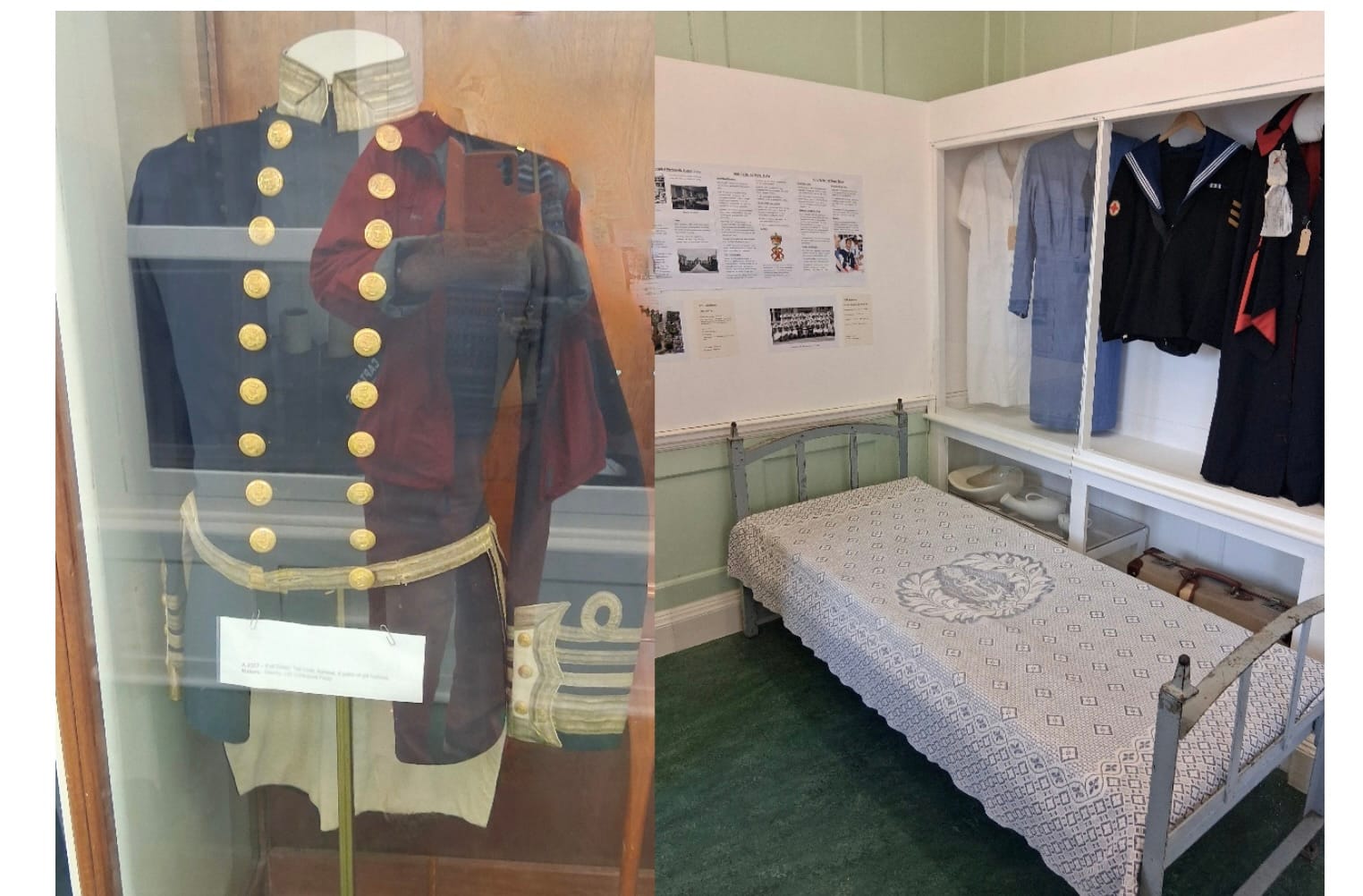
The final gallery is the Uniform Gallery, which has a display of naval and marine uniforms through the ages and a section on naval hospitals (not gruesome!).
So, as you can see, there is a lot to see in the DNHC and it’s not just for old salts! There are displays of interest to all ages and every member of the family. Parking is free and there is a basic café, serving hot drinks and snacks. See the website for more details: https://devonportnhc.wordpress.com/

Comments ()