
Businesses back the Waterfront; we find out about buoys; the latest on the West Hoe "murder"; Nigel comes to town; and things to do this weekend
Friday October 23, 2026
£6.2 million boost for Plymouth’s waterfront after businesses back new five-year plan

At least £6.2 million will be invested in Plymouth’s waterfront over the next five years after local businesses voted overwhelmingly to renew the Waterfront Business Improvement District (BID).
The result means Plymouth Waterfront Partnership, the not-for-profit organisation responsible for promoting and improving the area, will continue its work until 2032.
Of those taking part in the ballot, 81 per cent voted in favour, representing 83 per cent of the rateable value of votes cast.
The new programme, BID4: A Place for Life, includes 50 proposed actions designed to make the waterfront more attractive, accessible and prosperous.
Investment will support events, tourism promotion, environmental improvements, safety initiatives and projects to make the waterfront a better place to live, work and visit.
The BID covers areas including the Barbican, Sutton Harbour, the Hoe, Millbay, Royal William Yard and Mount Batten.
Chief executive Sarah Gibson described the new programme as the partnership’s most ambitious yet.
The new five-year term begins in April 2027, continuing a scheme first established in 2012.
The Captain Explains: Making Sense of the Buoys in Plymouth Sound
Next time you’re looking out across Plymouth Sound, spare a thought for the mariners navigating their way through all those red, green, black and yellow buoys. They aren’t there for decoration. Each has a very particular job to do.
As I’m sure you know, green is the colour of starboard (the right-hand side of a vessel), while red is port (the left). Port is easy enough to remember – just think of the colour of a decent glass of port.
There are two main systems of buoyage used around the world: Lateral and Cardinal.
The Lateral system was first standardised by the League of Nations in 1936, in an attempt to persuade everyone to use the same colours and shapes of buoys for the same purposes.
Unfortunately, the world’s maritime nations couldn’t agree on which way round the colours should go.
So we ended up with two versions.
In most of the world, including Britain, we use what’s known as IALA Region A.
(The International Association of Lighthouse Authorities, which has kept its acronym but these days is the International Organisation for Marine Aids to Navigation.)
When entering harbour, you keep the green buoys to starboard (your right) and the red ones to port (your left). Logically enough, your starboard navigation light is green too.
This arrangement is particularly useful when entering an unfamiliar harbour. You may be able to get advice before departing, but when arriving somewhere new, you need to know where you’re going.
The Americans, however, do things differently. In IALA Region B, red buoys are kept to starboard when entering harbour. This system is used in the Americas, Japan, the Philippines and South Korea – a collection of countries that looks rather like the American sphere of influence after the Second World War.
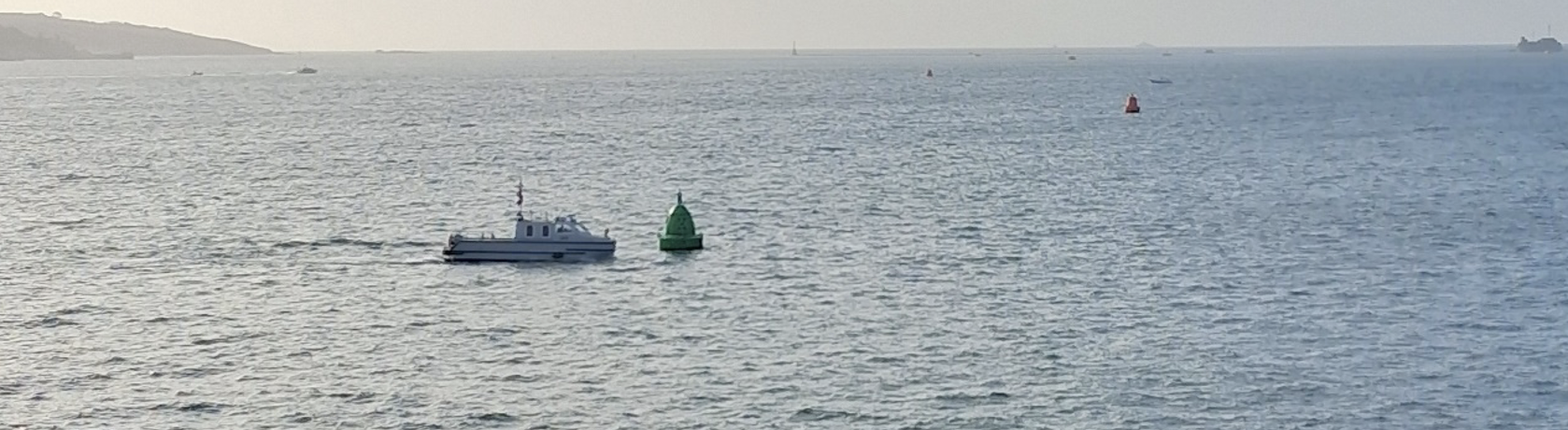
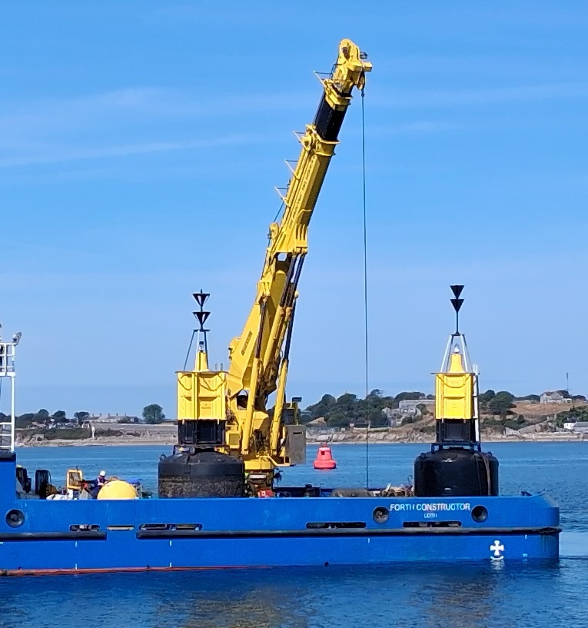
The green buoy in our photograph above is a starboard-hand buoy, marking the right-hand side of the channel into Devonport. Compare it with the survey boat alongside and you’ll get some idea of its considerable size.
But red and green buoys are only half the story.
Enter the Cardinal system
The second system, agreed internationally in 1977, is called Cardinal buoyage.
This is where things become rather clever.
While Lateral buoys mark the sides of a navigable channel, Cardinal buoys tell you which side of a particular mark has safe water, and where the danger is.
They’re painted black and yellow in four different patterns, with distinctive shapes on top to help you recognise them.
A North Cardinal buoy, for example, tells you that the safe water is to the north of it. In other words, keep north of the buoy to avoid the danger.
And there’s a wonderfully simple way to remember which is which.
Look at the two black cones on top:
- North: Both cones point upwards – towards the north of a chart.
- South: Both cones point downwards.
- West: The cones point towards each other, forming a wine glass.
- East: The cones point away from each other, making an Easter egg.
Once you’ve mastered the wine glass and Easter egg, you’re well on your way to becoming a competent buoy-spotter.
What about the lights?
Of course, buoys must also be recognisable at night.
Lateral buoys display red or green lights, as appropriate, while Cardinal buoys use white lights.
These flash in different patterns to identify the buoy. Mariners call these patterns the light’s characteristics.
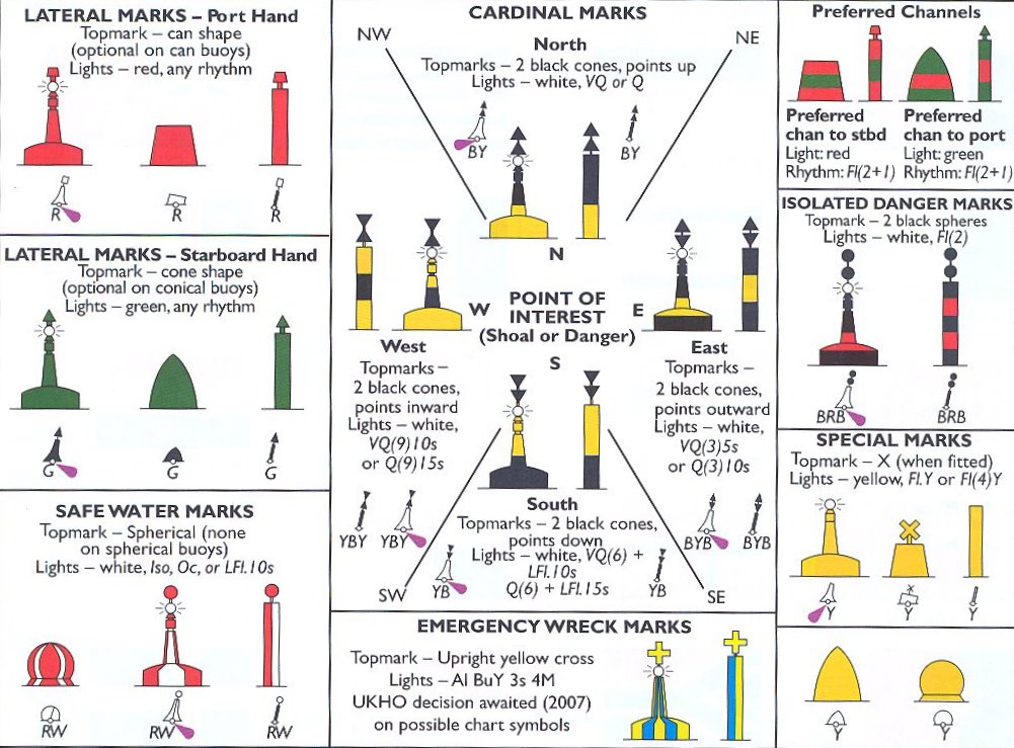
The accompanying IALA diagram shows the various types you might encounter.
Try it yourself
There are more than 25 buoys in Plymouth Sound, outside the Narrows, each helping mariners navigate safely through our busy waters.
So next time you’re aboard the Cawsand Ferry, or one of our other local grockle boats, have a look around.
You should now be able to work out which buoy is which, what it’s telling you, and which side of it you’d be wise to pass.
And if you can remember the difference between a wine glass and an Easter egg, you’ve already mastered one of the more useful lessons in navigation.
Police continue to hold a man arrested after "body in the bin" discovery
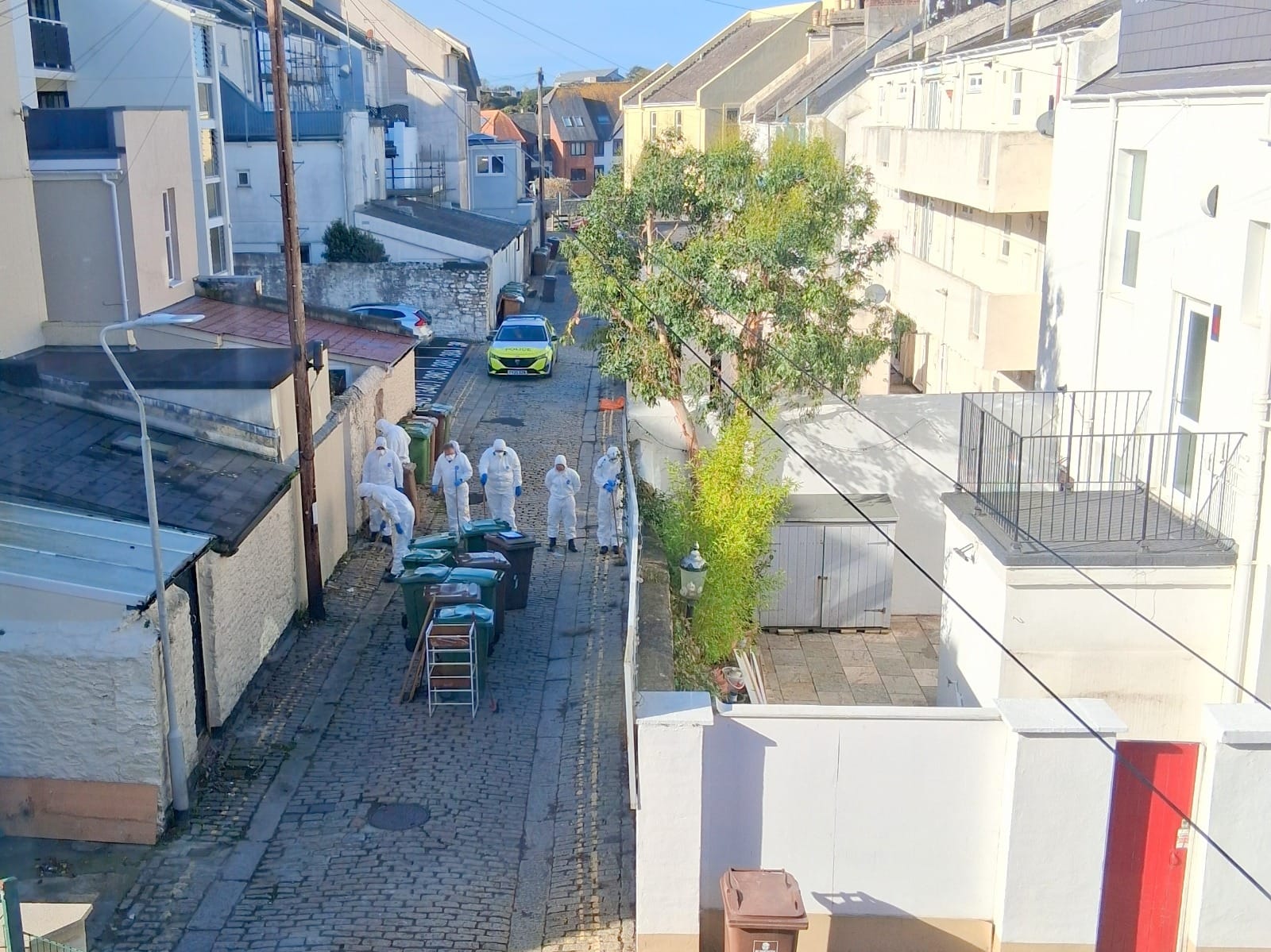
As the Beagle was publishing, police were still holding a man in his 30s who was arrested after they launched a murder investigation in West Hoe.
Officers were called by the ambulance service at around 6.40am on Wednesday (21 October) following what they called "concerns for the welfare of a man" in the West Hoe area. He was found in a wheeled bin in a service lane off Grand Parade and was sadly pronounced deceased at the scene.
Local reports say he was naked from the waist down, and had been stabbed.
His identity has not yet been made public.
Detectives said after "extensive enquiries" the man aged in his 30s has been arrested on suspicion of murder. He currently remains in police custody while enquiries continue.
Scene on the Sound - by The Captain
A quieter week for ships - but not for the weather!
The German anti-aircraft frigate FGS Hessen has continued here training sessions under FOST[1] and, very sensibly, came into Devonport on Thursday evening before Storm Austen[2]. Two of the RN’s remaining five Type 23 frigates have been in and around the Sound – HM Ships Sutherland and Somerset[3].
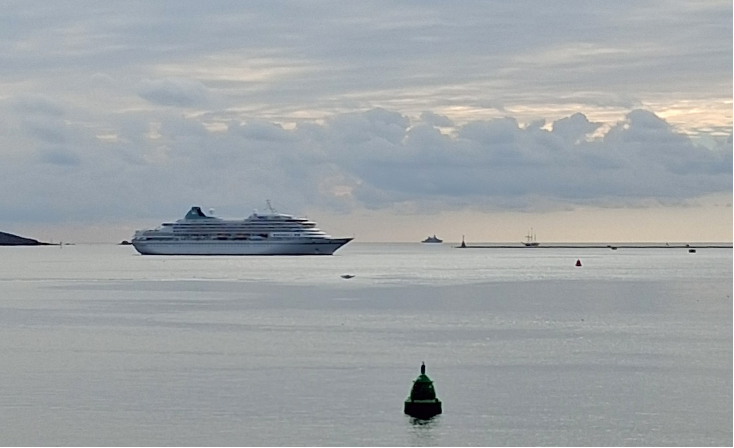
One, slightly surprising visitor, was the German cruise ship Amera. Amera was launched in 1988 as the Royal Viking Sun for the Royal Viking Line. She retained her name when Royal Viking were taken over by Cunard (part of the Carnival Corporation) in 1994. Carnival transferred her to Seabourn Cruises in 1999, when she became the Seabourn Sun and then in 2002, to the Holland America Line as the Prinsendam. In 2019, she was sold by Carnival to Phoenix Reisen, her present German operators. This saga of changing names, shipping lines (aka brands) and owners is not uncommon in the cruise ship market.
Amera is a smaller cruise ship and can carry up to 840 passengers. As is, in a way, to be expected, she sailed from Plymouth in the late afternoon, rather than the early evening – about an hour to 90 minutes earlier than cruise ships usually depart. This timing, perhaps, reflects the usual German custom of eating their evening meal early. (Wikipedia says that the usual German evening meal is taken between 1800 and 1900 – just occasionally as late as 2000.)
She is presently alongside in Bordeaux.
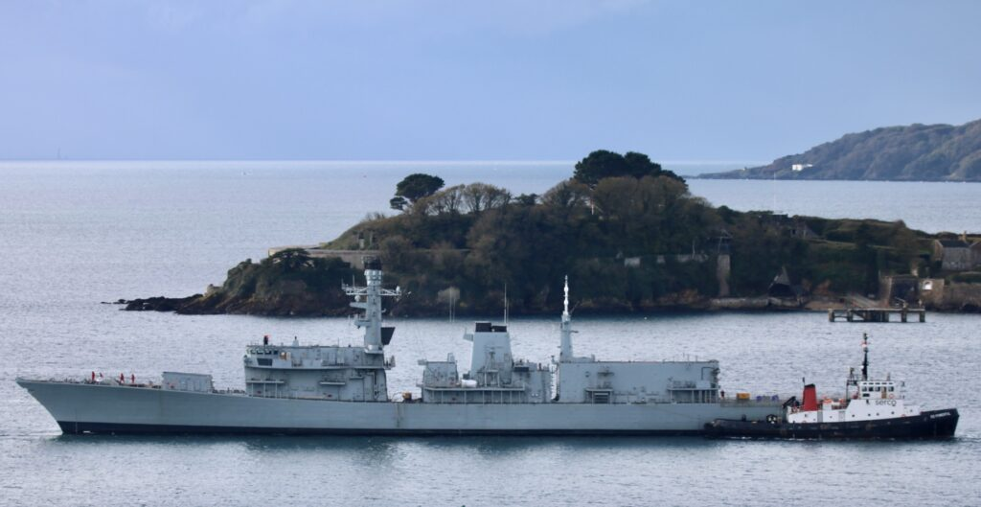
Finally, on the naval front, the ex-HMS Iron Duke was towed away to Portsmouth on Monday 19th before disposal five days after her sister ship, HMS Richmond made the same journey.
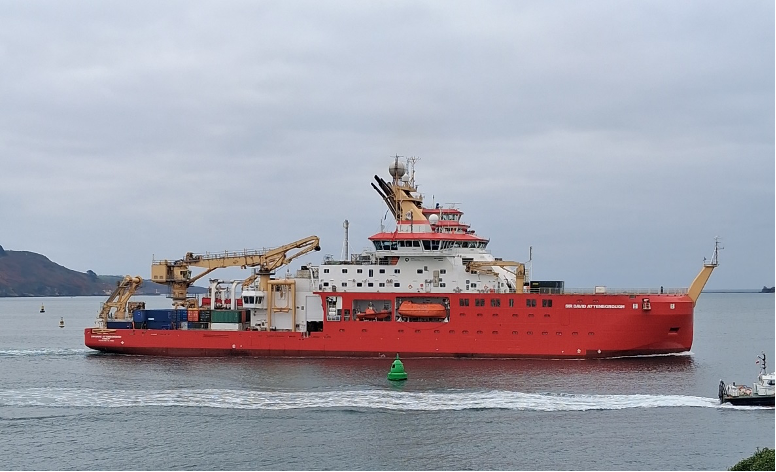
Finally, Royal Research Ship (RRS) Sir David Attenborough has been in Devonport again. She arrived early on Wednesday morning and was due to sail next day. She is now due to depart tomorrow (Saturday 24th). It is possible that she was been waiting for Storm Austen to pass, but equally, as HMS Protector is never likely to go south to the Antarctic again, I suspect that some of the stores for the British outposts in the Antarctic may have been transferred to her.
[1] Flag Officer Sea Training.
[2] Not named after the novelist, as most of us probably assumed, but after Austen H Nagle, the first director of the Irish Meteorological Service. And Storm Boelo was named by the Dutch Met Office. It is not named after the character who was one of Jabba the Hutt’s thugs in the Star Wars franchise either, but is a nearly extinct Dutch first name with old Germanic roots, meaning brave or strong.
[3] In fact the two youngest of the class. The other three (of the original sixteen) still in RN service are HM Ships St Albans, Portland and Kent.
Something for the weekend
1 ) Sample Plymouth’s finest seafood
Saturday and Sunday | Participating waterfront restaurants | Restaurant opening hours
Plymouth’s Seafood Discovery Tour continues, celebrating the city’s fishing industry and the wonderful seafood landed on our doorstep. Participating restaurants and pubs are showcasing locally caught fish and shellfish, giving diners an opportunity to enjoy the best of Plymouth’s maritime food culture while supporting the people who catch and prepare it.
2) Experience a powerful new film exhibition
Saturday 24 October | KARST, George Place, Millbay | 11am–5pm
Internationally acclaimed artist Larry Achiampong presents Relic 4, a striking new film exploring identity, displacement, colonialism and the stories societies choose to remember. The exhibition combines cinema with the artist’s distinctive Pan African flags, offering a thought-provoking experience in one of Plymouth’s most adventurous contemporary art spaces.
3) See the South West Coast Path through a photographer’s eyes
Saturday and Sunday | Melville Building, Royal William Yard | 11am–4pm
Some of the most spectacular images of our coastline are on display in the South West Coast Path Photographer of the Year exhibition. Featuring 23 large-format photographs, the exhibition celebrates the landscapes, wildlife and people of the famous 630-mile walking route, while also highlighting the environmental challenges facing our coastline.
4) Discover contemporary art in Stonehouse
Saturday and Sunday | Manor Street Galleries, Stonehouse
A visit to Manor Street Galleries offers the chance to discover work by artists associated with the Red Mud Arts critique group. The last weekend of their exhibition, There Is Only Ever Now, explores different interpretations of time, memory and the present moment.
OldManSailing - following Chichester
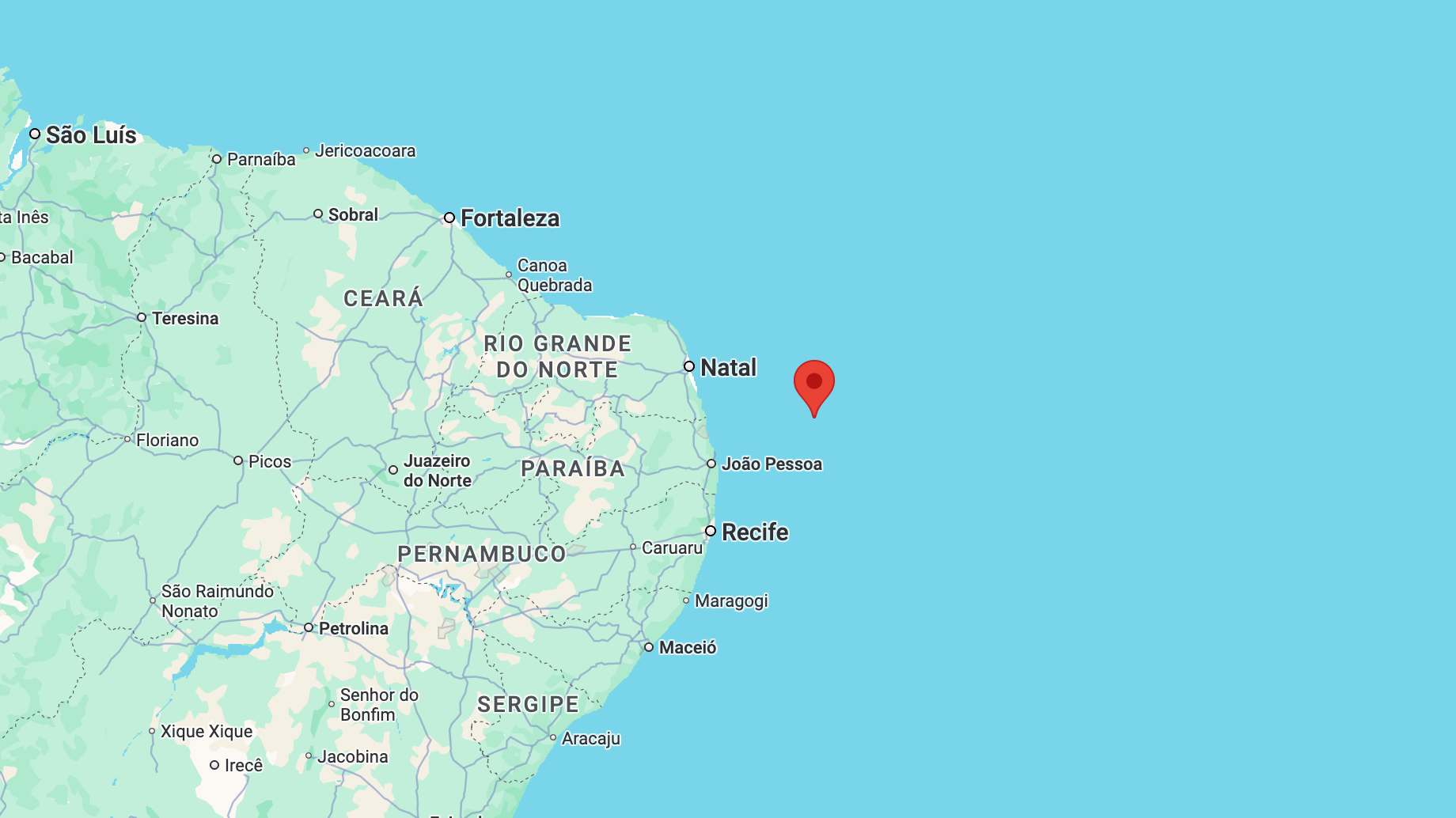
The Beagle has been following 'OldManSailing' John Passmore as he attempts to sail single-handed from Plymouth to Sydney. He left Plymouth Sound at the end of August, and has sailed solo more than 4,690 nautical miles.
Since last week, John has made a sharp right-hand turn in his yacht Samsara and is now about 110 miles North East of Recife.
He suffered an agonising but mysterious shoulder injury - at times near-crippling him with pain - and so made the tough decision to turn for land, and a plan to recouperate.
His current thinking: either for treatment and recuperation in Recife, join a gym. Build up some muscles and set off south, as if continuing to Sydney. Get down to 40°S and see what it’s like. He says: "I reckon if I can survive the crossing of the South Atlantic in the roaring 40’s, I can get all the way to Australia."
On the other hand, if it proves to be just too awful. he will head north and end up in the Caribbean with a book that won’t be called Samsara Circles the World but, instead: A Voyage too Hard.
All at The Beagle wish him well
And finally....
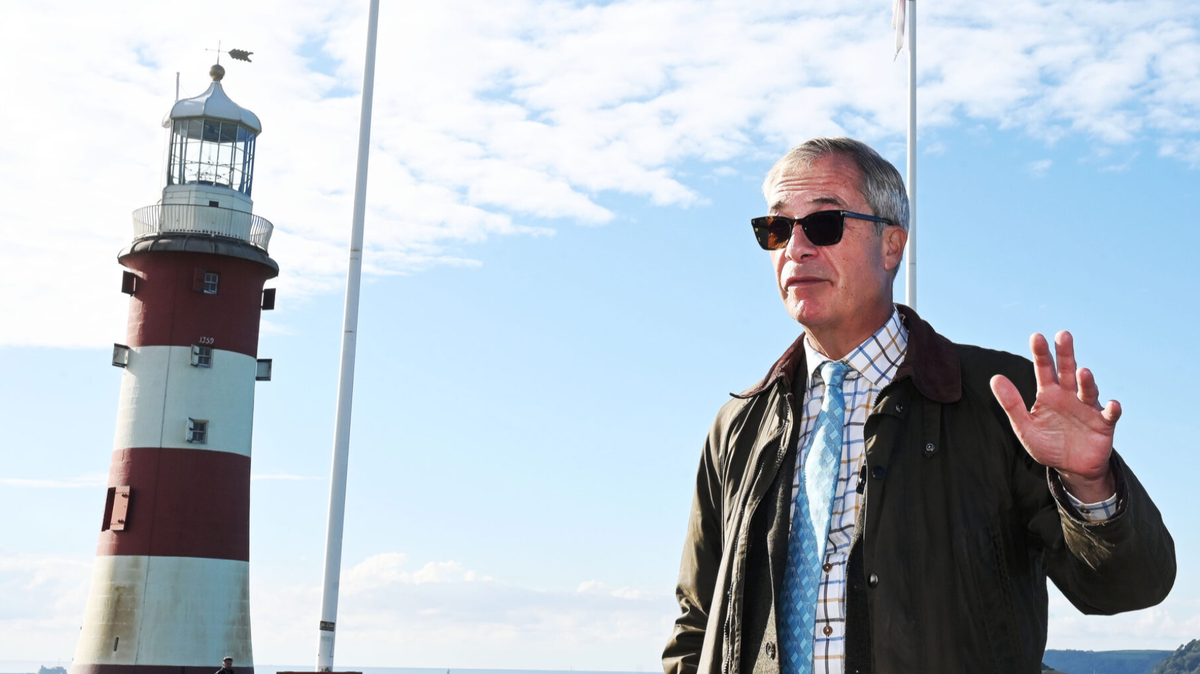
Nigel Farage took a stroll on The Hoe and supped a pint in The Barbican this week.
Later in a speech to his party members at the Plymouth Arena Mr Farage:
- said Reform was the official opposition party in the city, and would be winning control of the Council in May's local elections
- addressed critical failures in national security and in the treatment of military personnel
- criticised the current benefits system, and the overdiagnosis of conditions like ADHD preventing people from working
In an emotional opening he paid tribute to Anne Widdecombe - who was murdered at her Dartmoor home earlier this year - and who was with Mr Farage in Plymouth the last time he visited the city. She was "an amazing woman," he said.
Advertisement:


Comments ()