
Battered benches, Gus Honeybun's train departs, and a homecoming

Battered benches a sorry sight at West Hoe
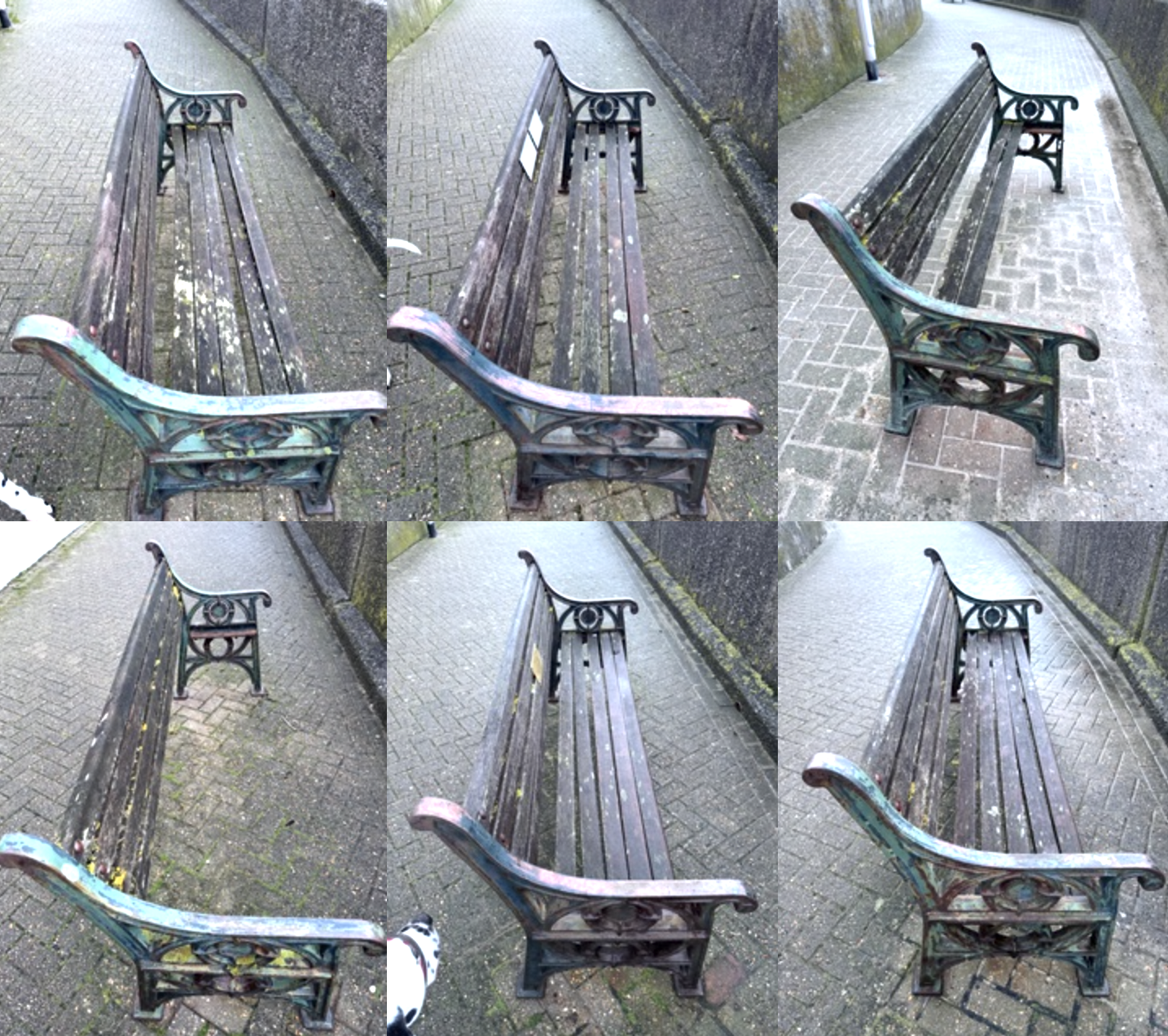
What a sad and sorry welcome meets visitors to the ‘Rusty Anchor’ - the waterside walk at West Hoe which serves as a vantage point to stand and watch ships arriving and departing Devonport.
Alongside the landmark models of ships and submarines, six benches should offer respite for weary limbs in need of rest on the South West Coast Path.
Sadly they’ve seen better days.
One is totally lacking a seat, with many others broken or battered. Beagle correspondent Mona Saplanski said: “Not sure who owns them but they’re not a good look. I tried to read the plaques on two of them, but they were illegible.”
Perhaps Plymouth Council should take note?
Warning after boat sinks in Sound
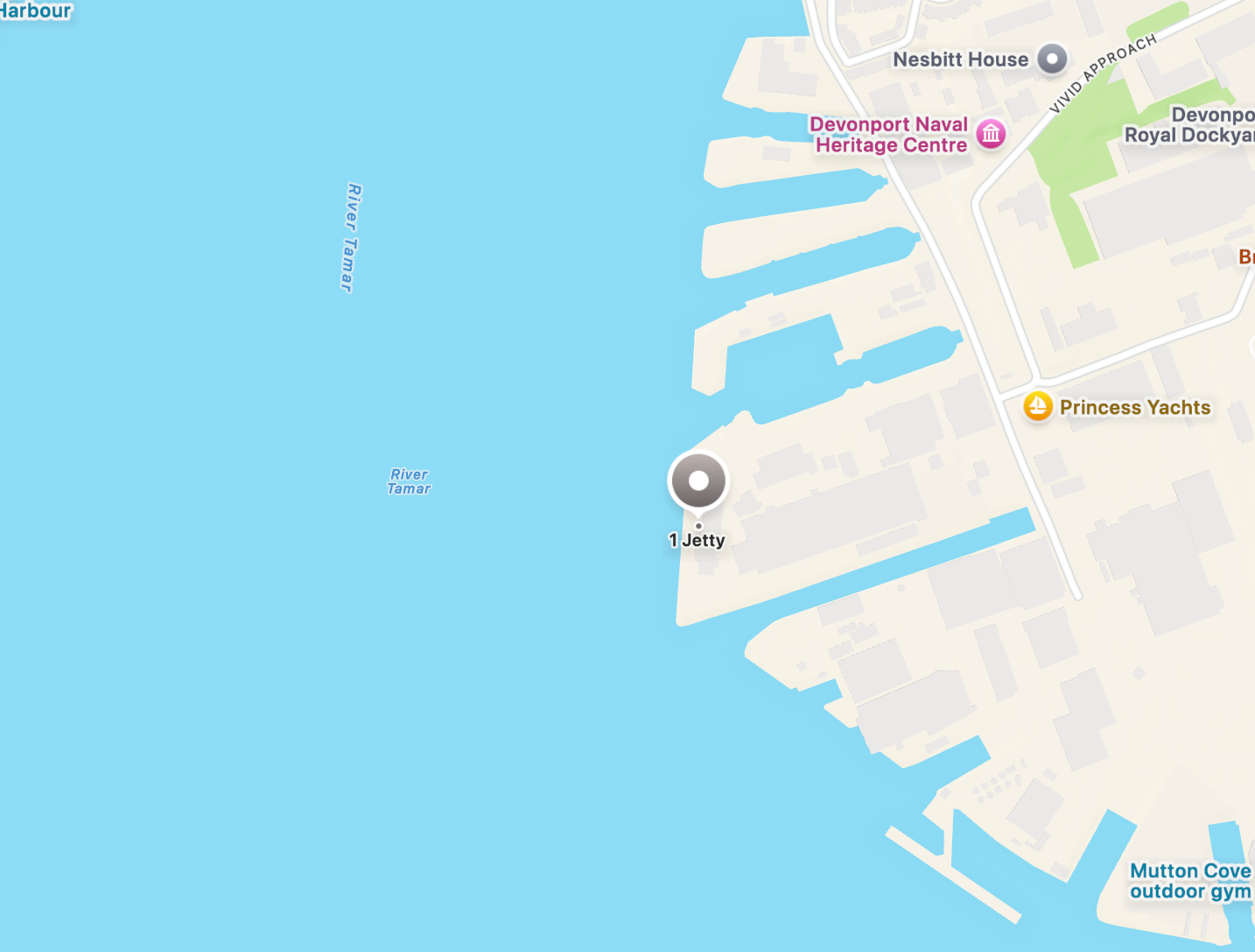
The King’s Harbour Master has issued a warning after a boat sank in the River Tamar close to the Devonport South Yard.
The 20-foot vessel is permanently covered even at low tide, prompting a warning to all mariners to avoid the area.
Beagle maritime correspondent The Captain has been unable to ascertain the details of which boat sank, but confirmed the location as being in the vicinity of 1 Jetty Approaches.
End of an era as ‘Gus Honeybun train’ departs
By The Captain
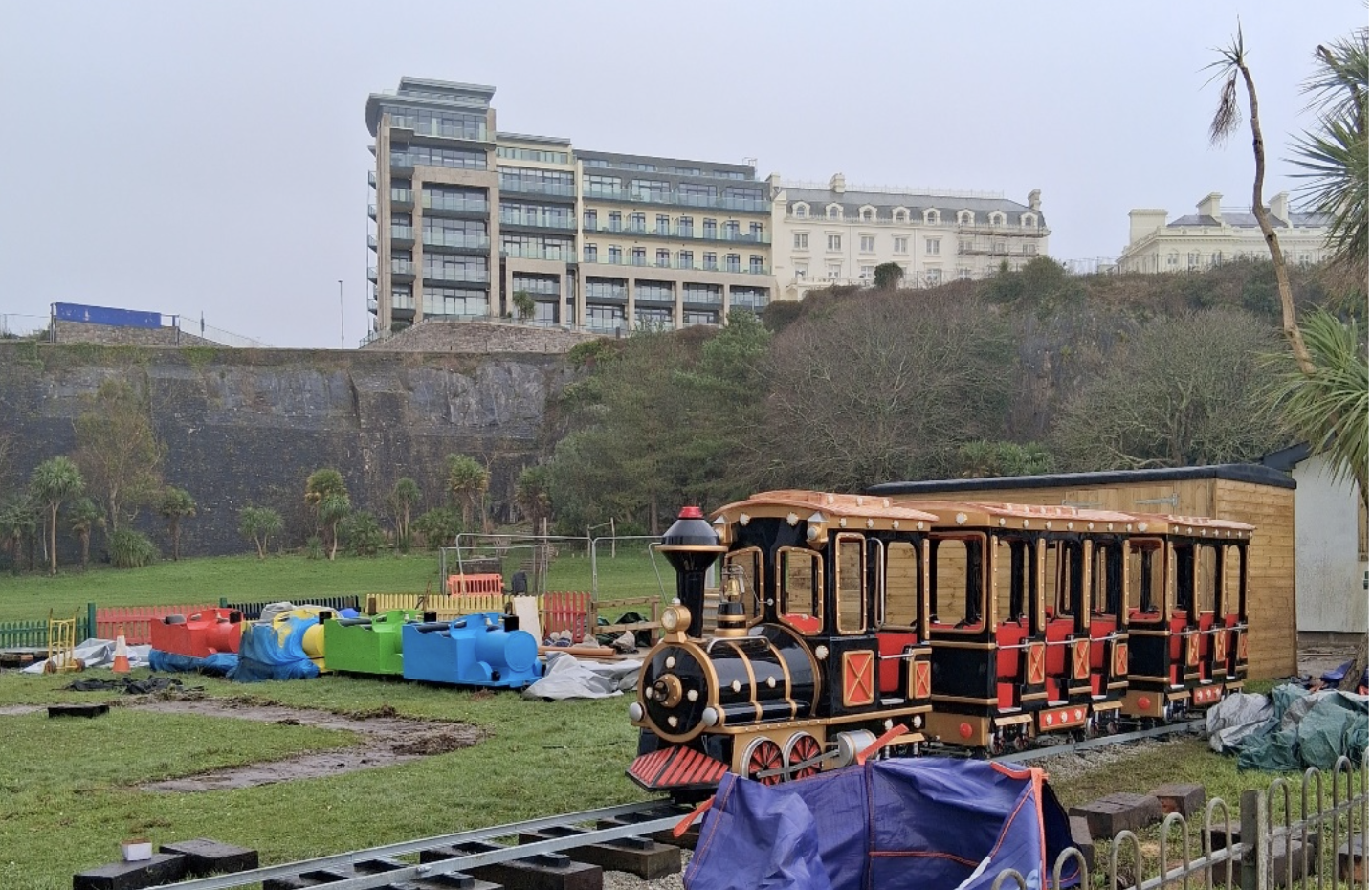
West Hoe’s Gus Huneybun train, so beloved of Plymouth’s children (and their parents and, probably more than a few, grandparents too) is being replaced.
On the ground, in the background of the photo above, can be seen the four original engines (believed to be from 1953) – all now without their lovely old cast brass name plates – Peter Pan, Wendy, Captain Hook and Aladdin, if my wife’s memory is right... Perhaps one of the engines, with a matching brass name plate, should be presented to The Box…?
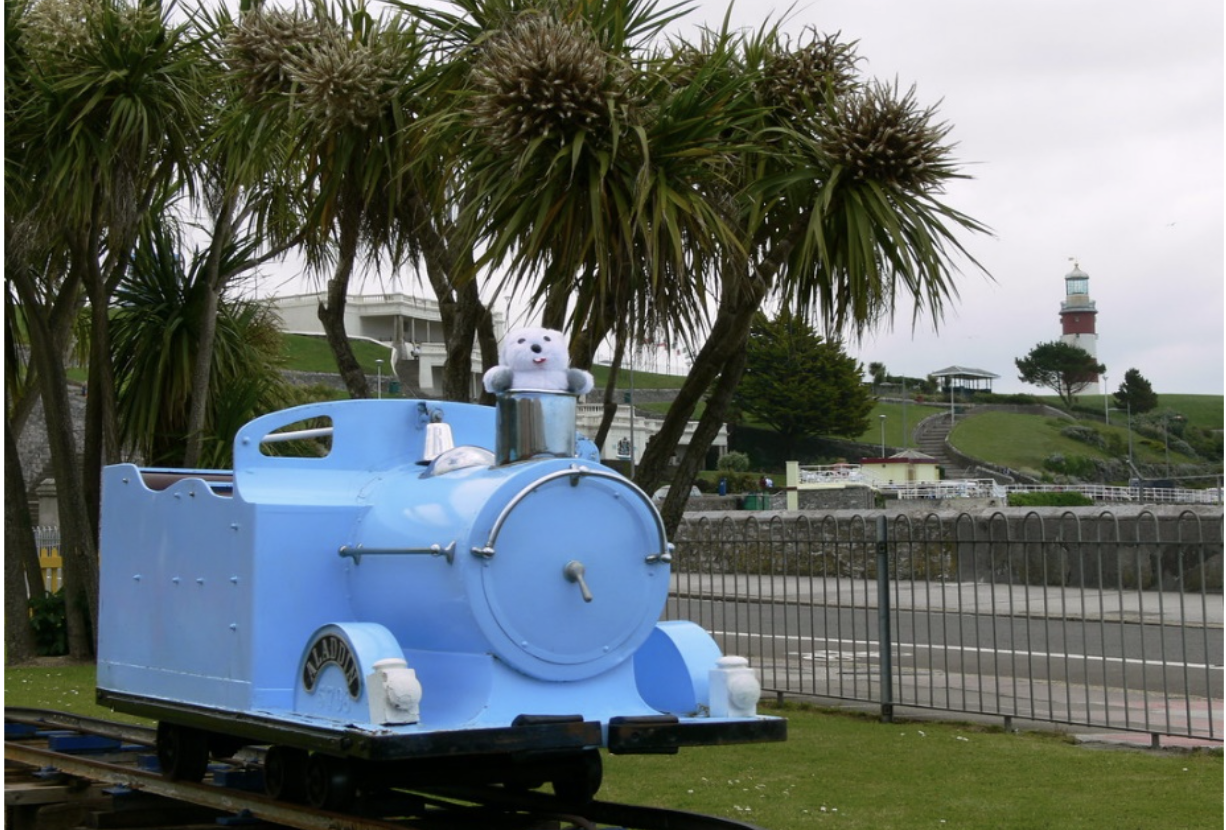
In this photo, Gus Honeybun can be seen propped in the train’s chimney. Also, the Aladdin name can be seen on the forrard wheels casing. Later, the names were placed at the top of the front of the engine – on the boiler.
On the new ‘train’, children will no longer be able to drive their own engine – and the carriages have seat belts too. With its cowcatcher, the new train looks like it has escaped from an American theme park – a touch of ‘Disney’ in Devon. No doubt the old engines were becoming very hard to maintain, but their demise marks the end of another era in Plymouth’s history.
PS. Yes, The Captain probably is a hopeless, old-fashioned romantic!
(Gus Honeybun was the station mascot for Westward Television, and later Television South West, from 1961 to December 1992. A puppet rabbit, and star of Gus Honeybun's Magic Birthdays, he achieved a longevity for a TV puppet second only to the Sooty characters.)
The ongoing West Hoe harbour saga - and a visiting German ship
Scene on the Sound, by The Captain
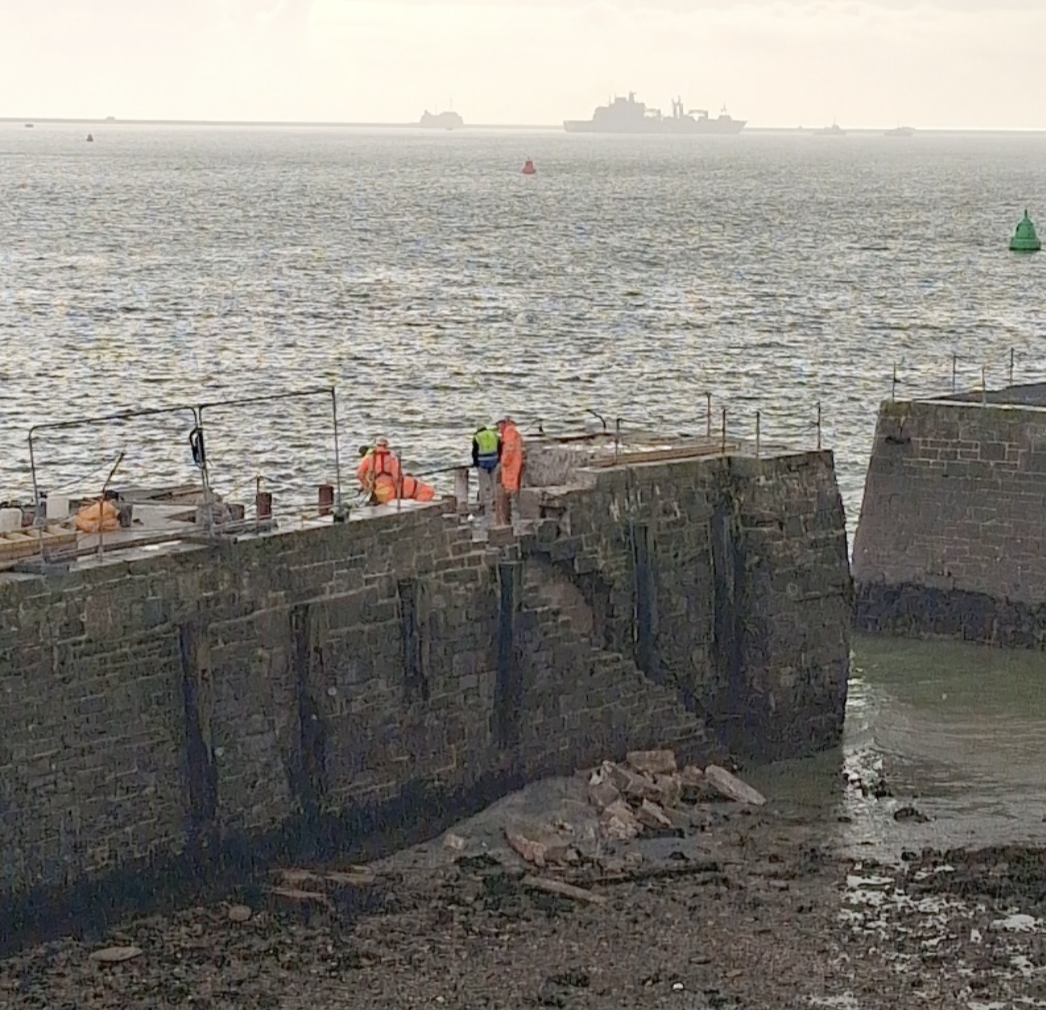
Engineers have been hard at work reinforcing the eastern end of the West Hoe Harbour – at least six loads of concrete have been seen being poured. It now looks as if the structure is safe and there are just the Plymouth Limestone walls to be rescued from the harbour bed, inside, and The Sound outside, and then replaced.
The reinforced concrete core of the pier is now only about a metre below its top. Much of the stone cladding that was washed into the harbour by Storm Bram can be seen in the photo.
In the background – out by the breakwater – you can see the Germany Navy ship FGS Bonn.
She is a 20,000-tonne support ship – capable of carrying fuel, provisions, ammunition and a mass of other stores. She is here for a couple of weeks under Fleet Operational and Sea Training’s control for what is called GOST – German Operational Sea Training – which is a tailored training package, agreed between the German Navy and FOST Staff.
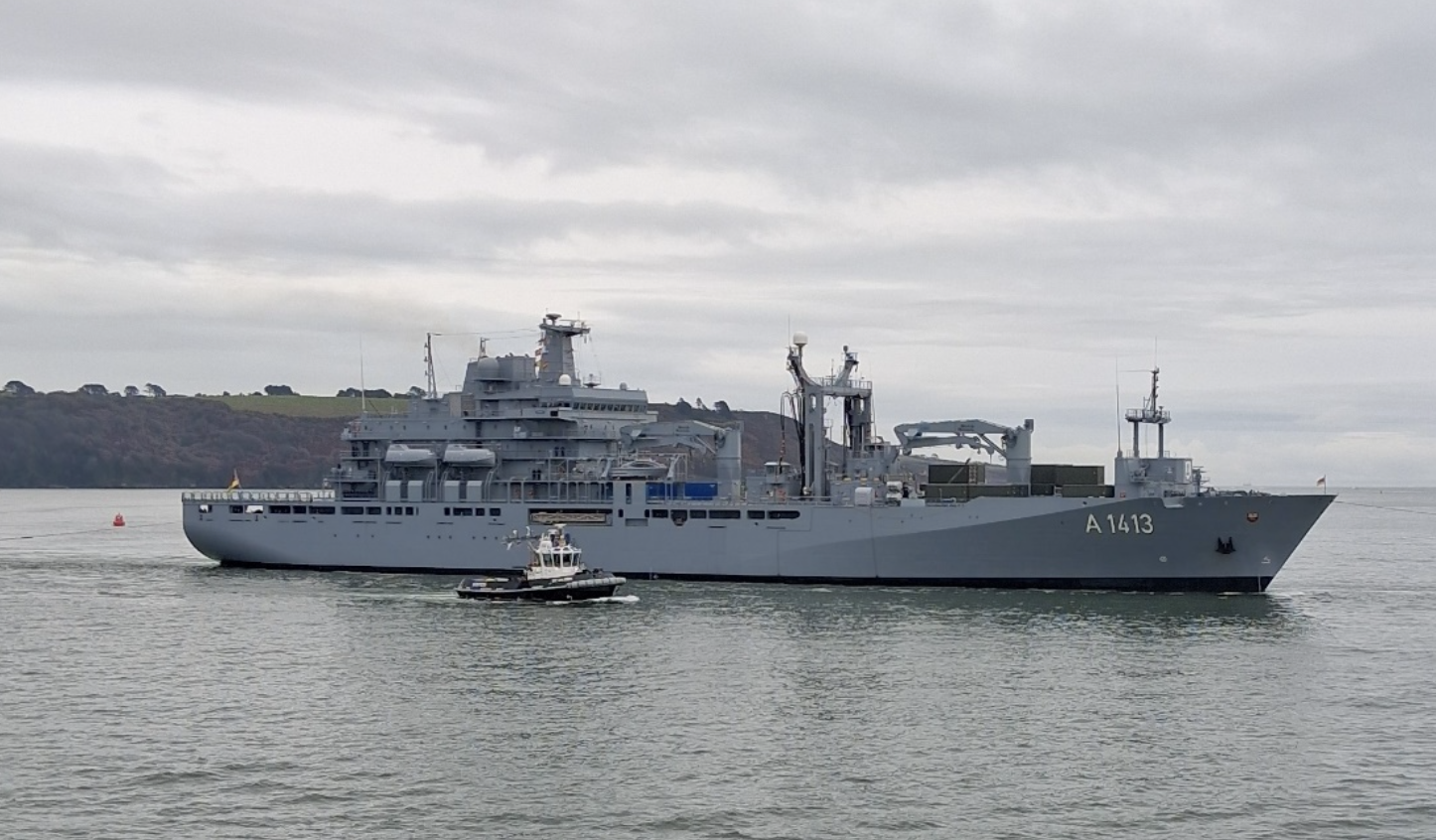
The gantry in the centre of Bonn's focsle* carries the fuelling hoses for replenishment at sea (RAS). The two large cranes can be used for transferring stores, etc., to ships that are rafted up alongside. She started her GOST here on January 13.
- focsle: the forward part of a ship below deck, traditionally used as living quarters
Got a head for heights?
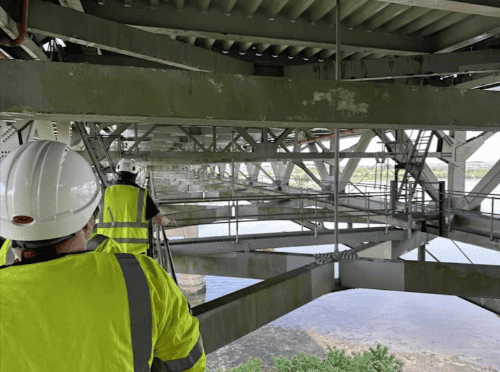
A hat tip to our friend Andy at the Go Devon newsletter who spotted this one - a chance to tour beneath the Tamar Bridge!
You’ll be guided along the under-bridge walkways, an area normally closed to the public, to see all the supporting structures and get a new view of the river and countryside below. The tours (there are three chances) take 2 hours, and are for over-18s only. There's a warning they might be inaccessible to some.
Dates: Monday April 13, Friday May 29 and Tuesday June 16. Tickets £30 here
Subscribe to Go Devon! A weekly newsletter that arrives in your inbox with the most interesting things to do across the county — many of which you won’t find anywhere else.
Dockyard listed building plan
A historic wall, walkway and subterranean vaults at Devonport dockyard dating back more than 250 years might be redeveloped. Plymouth Council is seeking permission to repair and consolidate the vetement wall in South Dockyard.
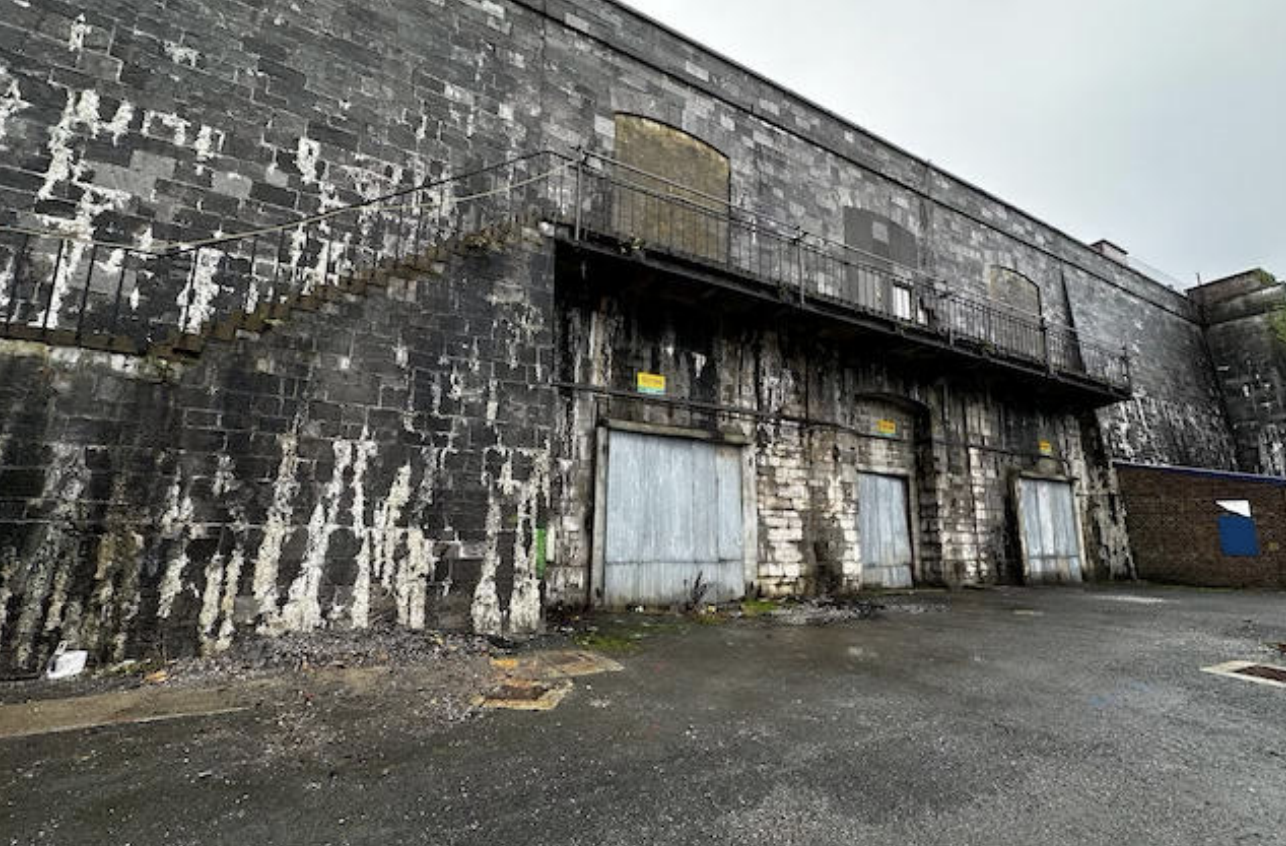
The revetment wall, a substantial masonry structure built in the 1760s with sections rebuilt in the mid-19th century, separates industrial parts of the dockyard at the lower level from the formal areas at the higher level. It is approximately 180 metres long and contains subterranean vaults with two storeys and three bays, totalling six chambers. These vaults, which have been in place for over 250 years, exemplify late-18th-century engineering solutions designed to accommodate the site's needs and topography.
Read the planning details here
Work begins on battery - but "marine park" needs funding
Work has begun on protecting the heritage of Mount Edgcumbe's garden battery - with a pledge that when work is complete, people will have access inside.
The Battery dates to the 18th century. When it was first rebuilt in the 1860s it contained seven guns in huge casemates, each with their own magazines.
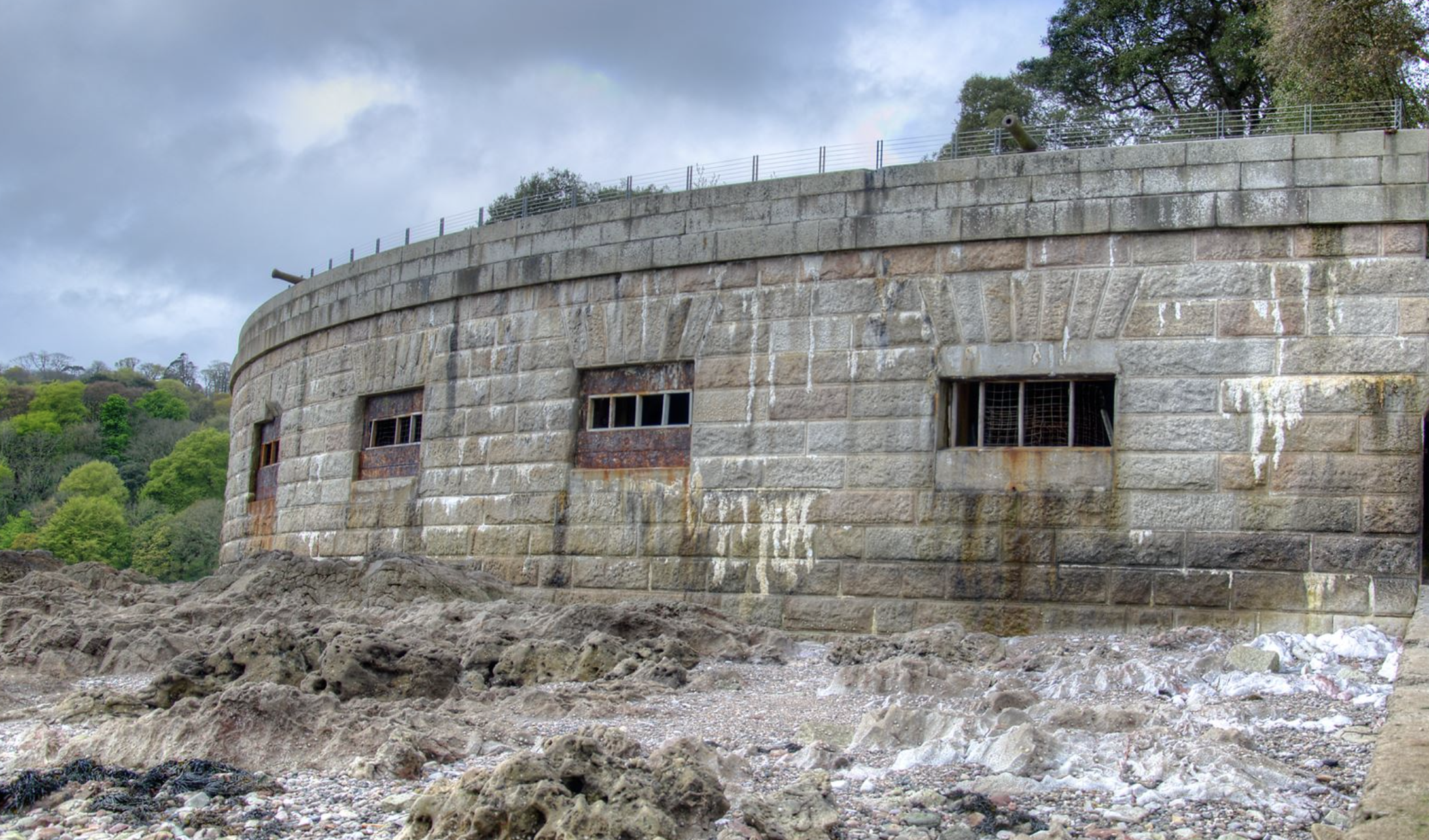
On the beach below the Battery, great iron rings lie as a reminder of the anti-submarine nets which were stretched across the Hamoaze. The Garden Battery is described as architecturally stunning with brick vaulted ceilings giving an almost cathedral like impression.
Meanwhile Elaine Hayes, the CEO of Plymouth Marine Park, has admitted “a challenging environment” as work has started to find funding sources for the venture.
Plymouth City Council secured £11.6 million from the National Lottery Heritage Fund in early 2024 to help develop the park and revolutionise the way Plymouth interacts with its ocean heritage. The idea was to create hundreds of new jobs.
Ms Hayes told councillors this week that work was underway to find funding sources so there would be “no cliff edge” when the fund grant runs out in 2028.
Councillor Charlotte Holloway (Labour, Drake ward) said it would be “a tragedy” for the city if it could not finance the project long term after all the work that had been done to engage thousands of residents and reconnect them with the sea.
New flag please

Can we have a new flag on The Hoe? This one is looking like it's reached the end of its days.
Advertisement:

If you want to advertise in The Beagle, email us: contactthebeagle@gmail.com
And finally, welcome home
RFA Tidespring came home yesterday (Thursday).
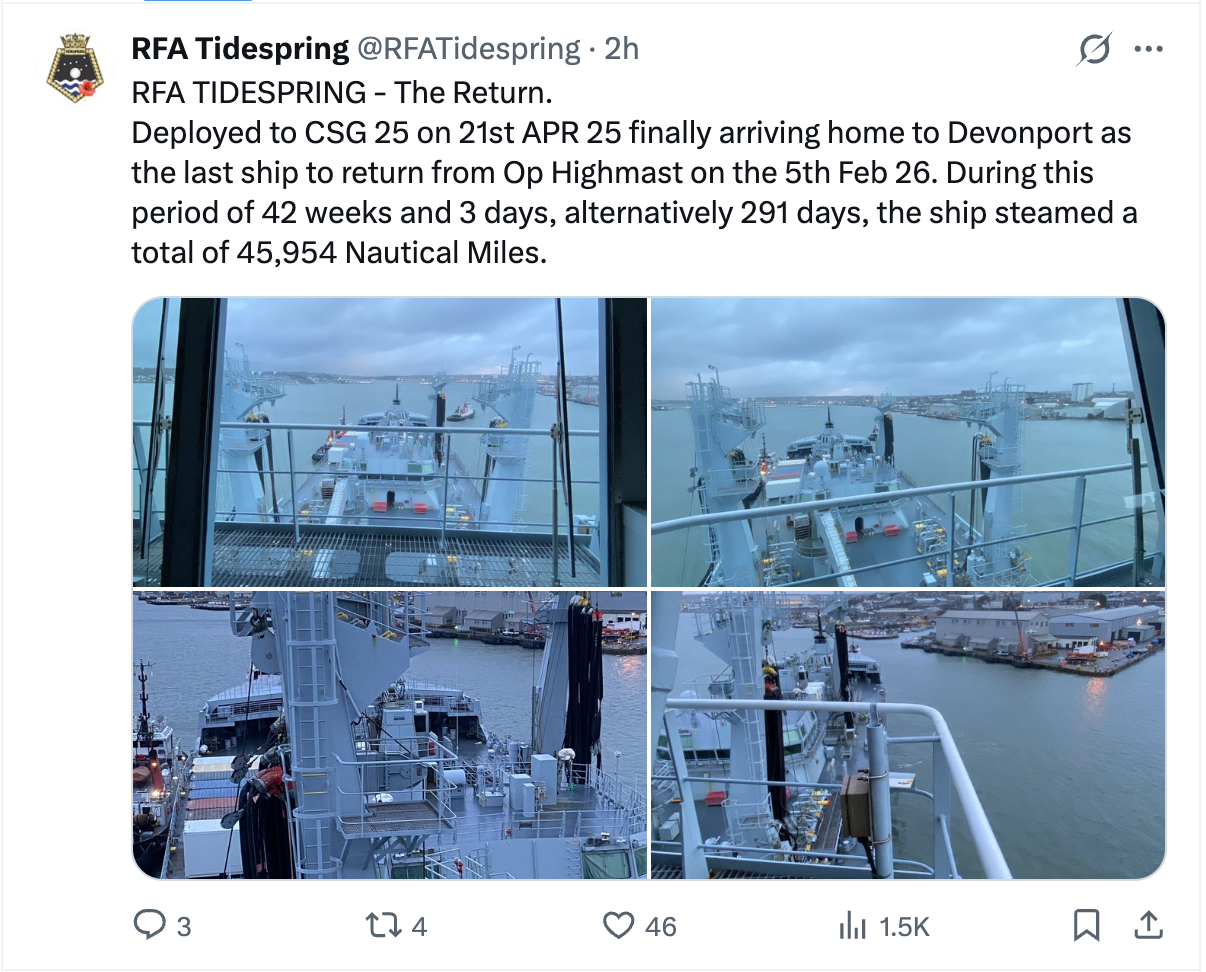
Deployed to assist the Carrier Strike Group on April 21 last year, she arrived home to Devonport as the last ship to return from Operation Highmast. During this period of 42 weeks and 3 days, the ship steamed a total of 45,954 nautical miles - that's more than twice around the world.
Highmast sailed from the Mediterranean to the Indo-Pacific, strengthening NATO partnerships with allies through multinational exercises. Tidespring is a 39,000 tonne tanker carrying supplies and specialist personnel, including Royal Marines Commandos.

Comments ()