
Behind Closed Doors: What’s the point of a Titanic memorial that no one can see?
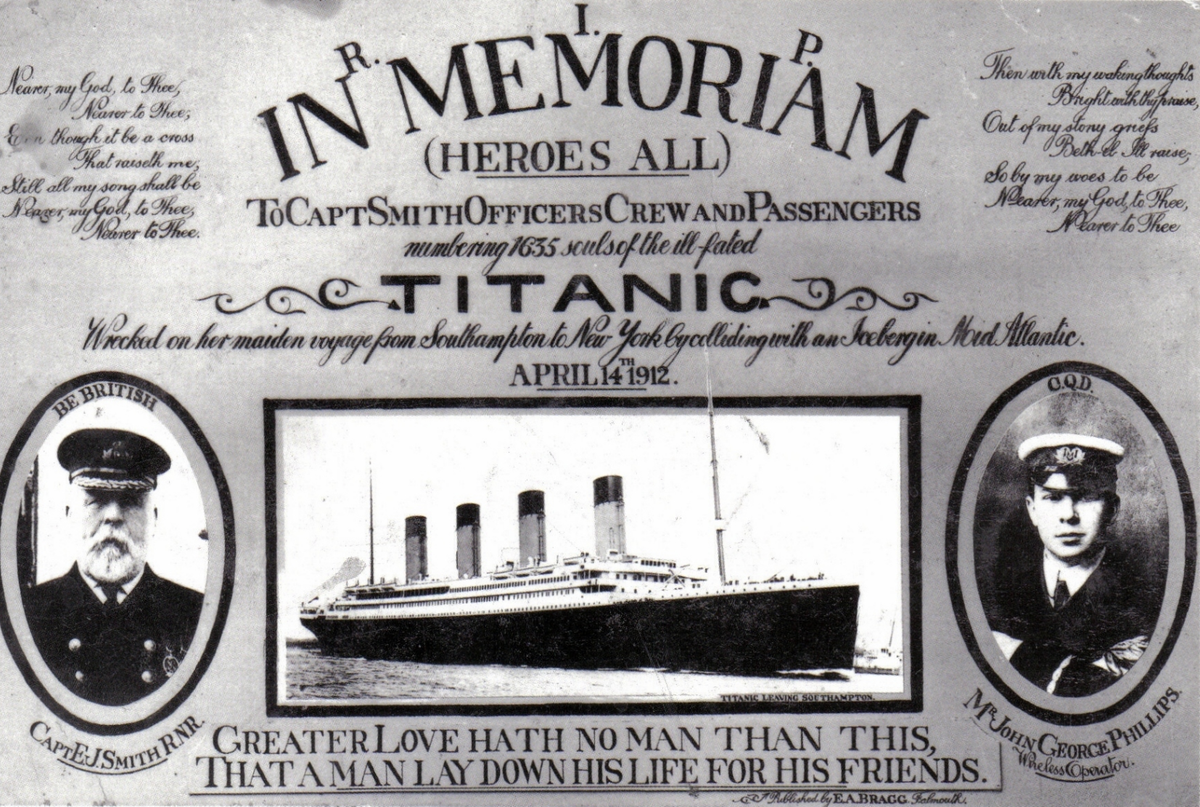
Memorial plaques are meant to do one simple but profound thing: help us remember. But what happens when a memorial sits behind locked gates, without signage, invisible to the public it was intended to inform?
That question arises at Plymouth’s Millbay docks, where a plaque marks the return of around 170 surviving crew members from the RMS Titanic in April 1912. They arrived just 18 days after the liner sailed from Southampton, landing quietly at what is now Princess Royal Pier — their subdued reception famously described at the time as one “from which all emotion, all gladness had been carefully eliminated.”
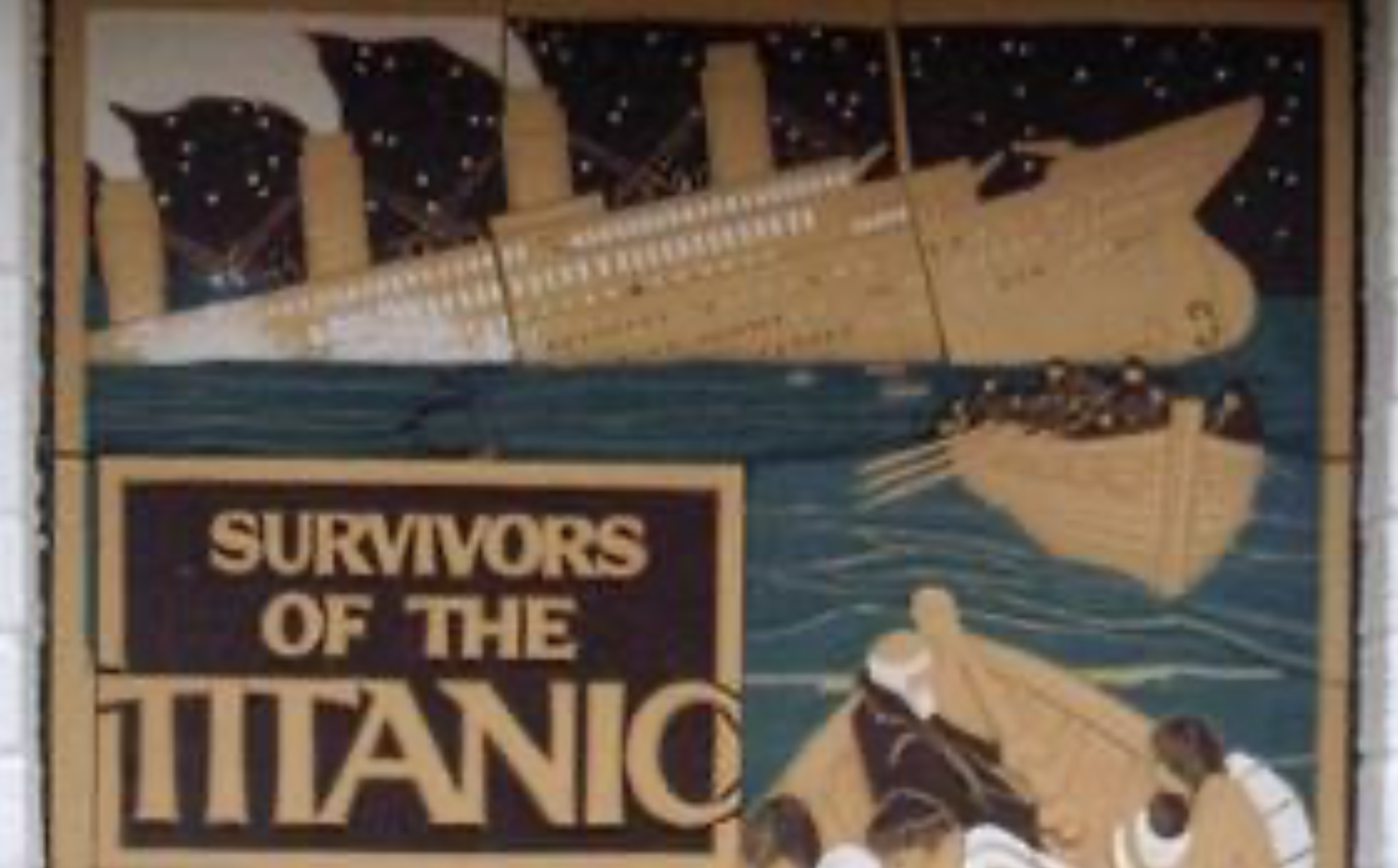
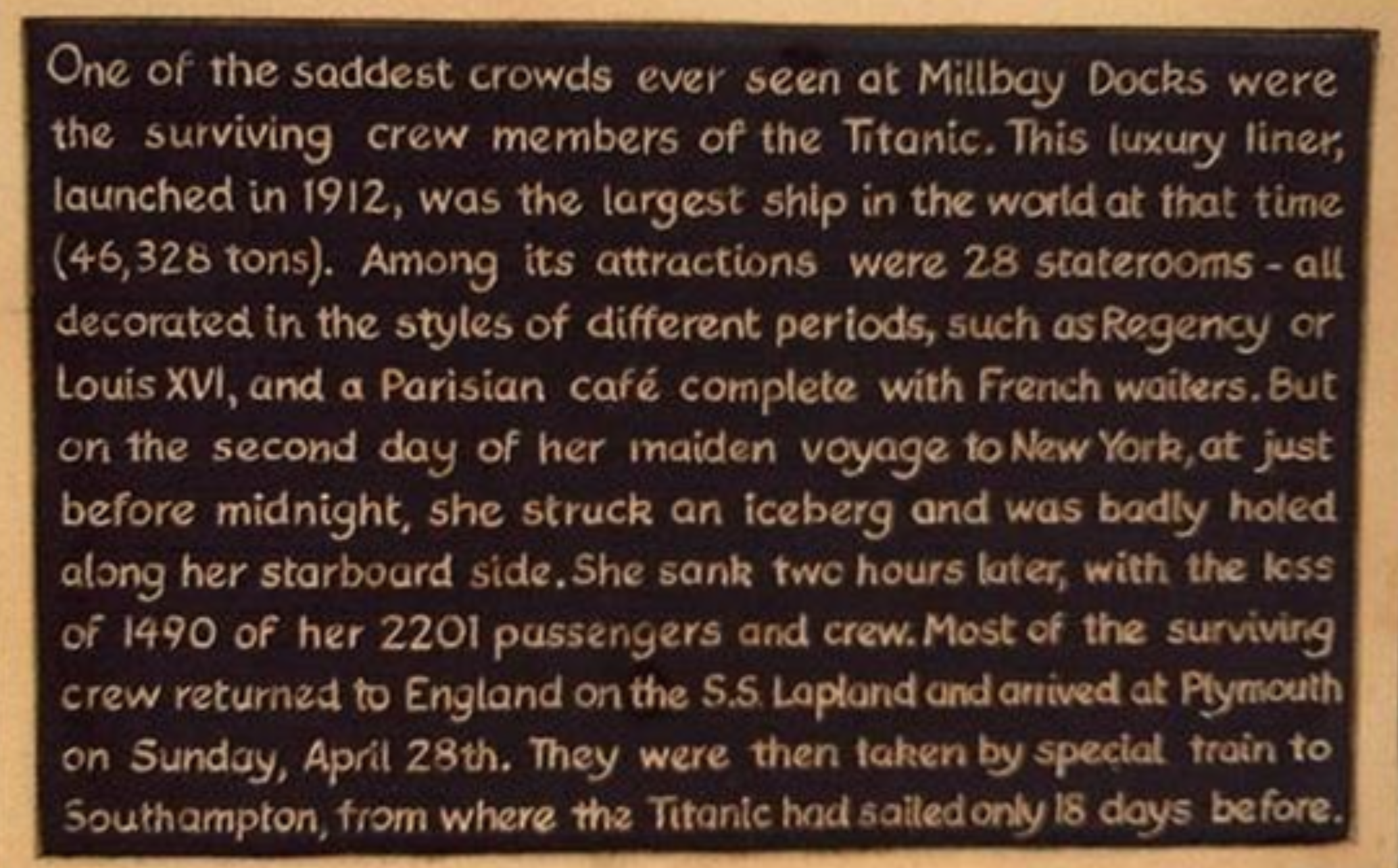
A centenary memorial service held there in 2012 honoured not only those survivors but also the 686 men and two women of the ship’s crew who perished, recognising the professionalism of seafarers and the maritime safety lessons that followed the disaster. Yet today, the plaque commemorating that historic moment sits within a restricted dock estate, largely unseen - hidden and blocked by the gates of Millbay Marina Village and locked inside the harbour master's compound.
Contrast that with Britain’s better-known maritime memorials. Liverpool’s Titanic Memorial to the Engine Room Heroes stands proudly on the waterfront. Belfast’s Titanic Quarter embraces public interpretation of the tragedy. Even smaller coastal communities often ensure their maritime heritage is clearly signposted and accessible.
Plymouth, with its deep naval and seafaring history, surely deserves the same openness. This isn’t about blame — ports must balance security with access — but about visibility. A sign on the waterfront, occasional open access, or even interpretation panels nearby would reconnect the city with a moment that links Millbay directly to one of history’s most famous maritime disasters.
Because a memorial hidden from view risks becoming not a place of remembrance — but simply forgotten history.
Wot no benches?
Two weeks ago The Beagle lamented the sorry state of the benches at “Rusty Anchor”. Now they’ve gone!
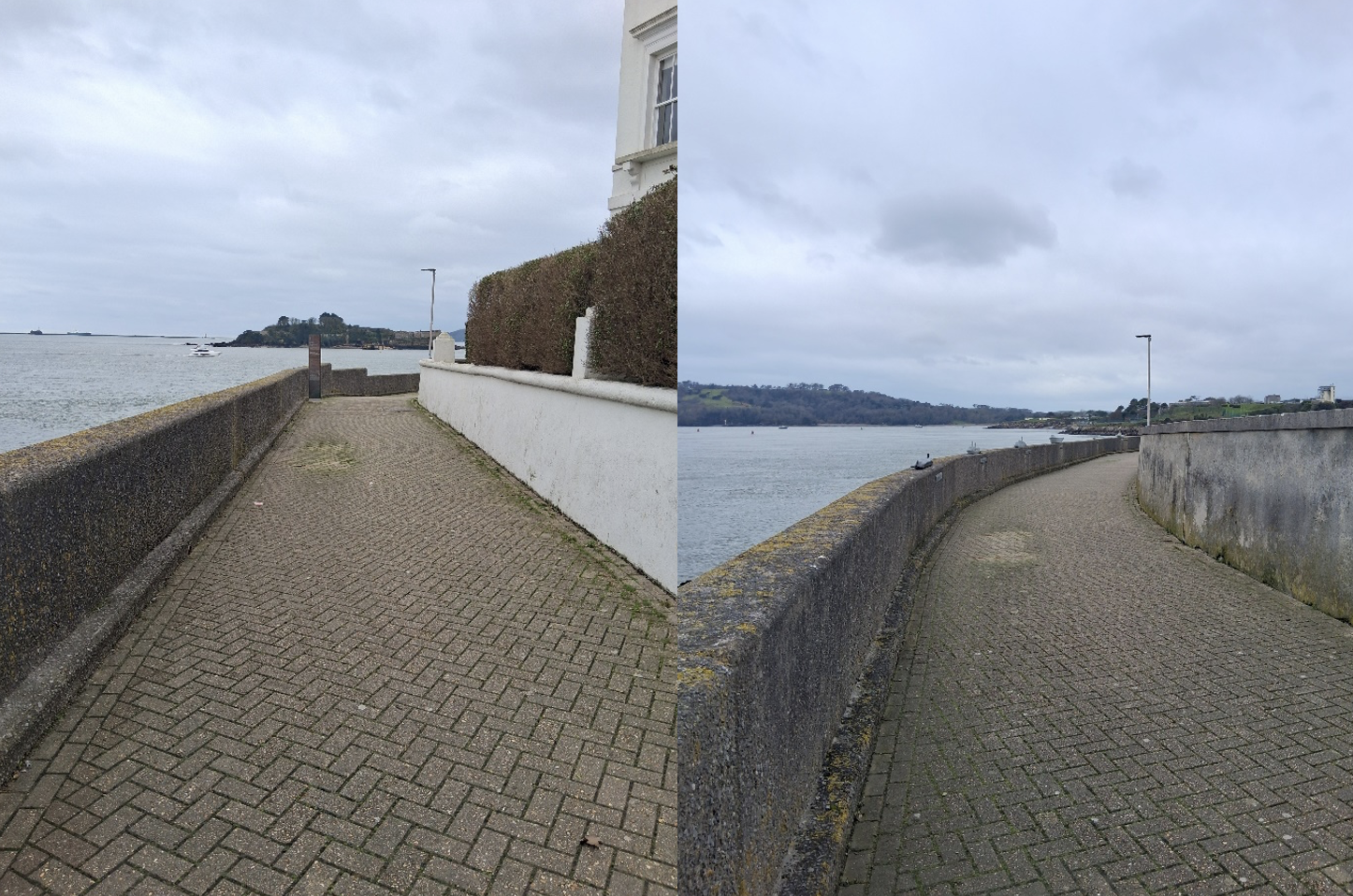
All the benches on the West Hoe promenade have been removed. Some of them were in a state of total disrepair and it is to be hoped that they will be speedily replaced.
The Captain commented: “One does have to wonder what will happen to the old cast-iron ends….. they only needed new wooden slats, and would be great in someone’s garden.”
We’ll be keeping our Beagle eyes on the situation.
Naval comings and goings - the Scene on the Sound
By The Captain, maritime correspondent for The Beagle
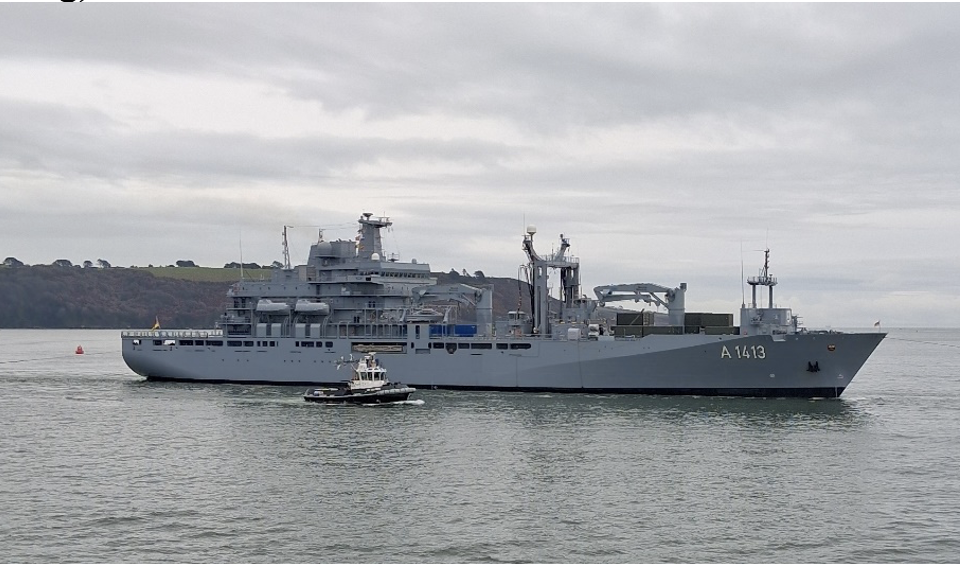
It looks as if the German replenishment tanker Bonn has finished her GOST (German Operational Sea Training). She went to sea on Thu 12th Feb and hasn’t been seen since.
HMS Duncan (a Type 45 air defence destroyer) has been around for a week now. She is the sixth and last of the class and has not yet had her PIP (Propulsion Improvement Packet). Unfortunately the Type 45s (there were planned to be eight in the class but ‘savings’ in the defence budget removed the last two of the class) were squeezed in cost terms and so, as soon as they were deployed to the Arabian Gulf, it became clear that they needed more electrical power to keep the weapon systems cool, let alone the ship’s company.
All the class are being fitted with a PIP which will give them three diesel generators, rather than the original two. This may not sound like a big job, but it is costing £68m per ship and takes several months with other modifications shown to be needed, once the ships were in service.
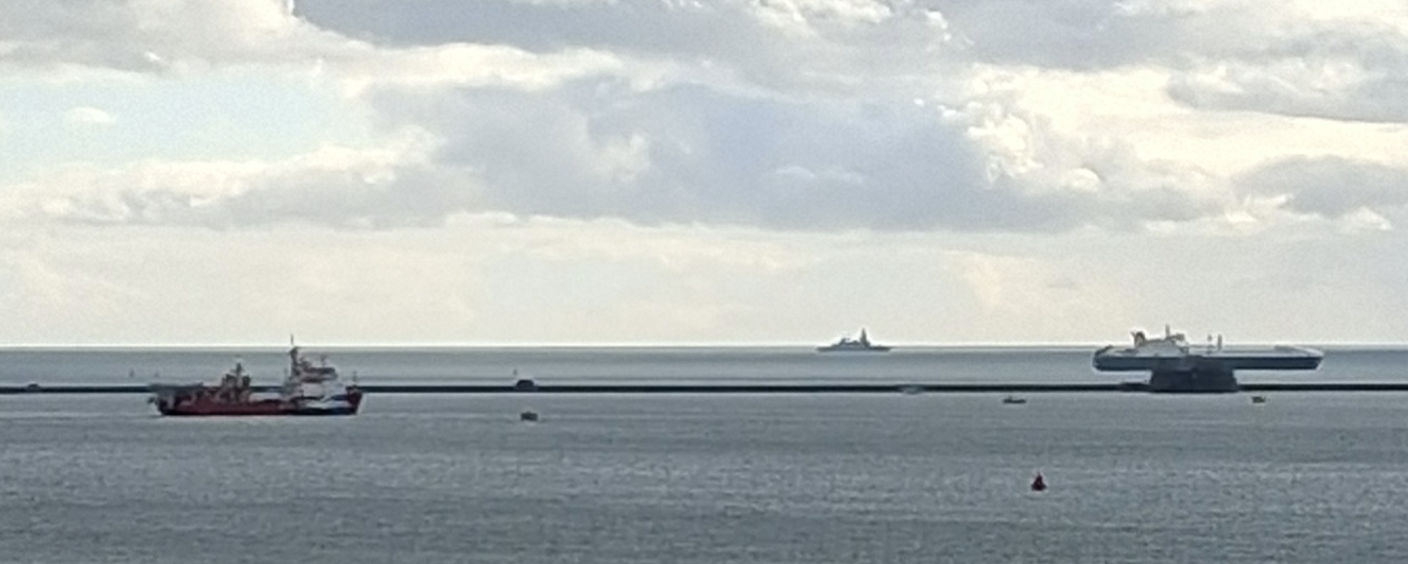
In this picture (above) from Thursday afternoon, HMS Duncan can be seen beyond the breakwater with the Military Ro-Ro (roll on-roll-off) ship Anvil Point at anchor, and inside the breakwater, HMS Protector, the Ice Patrol Ship departing.
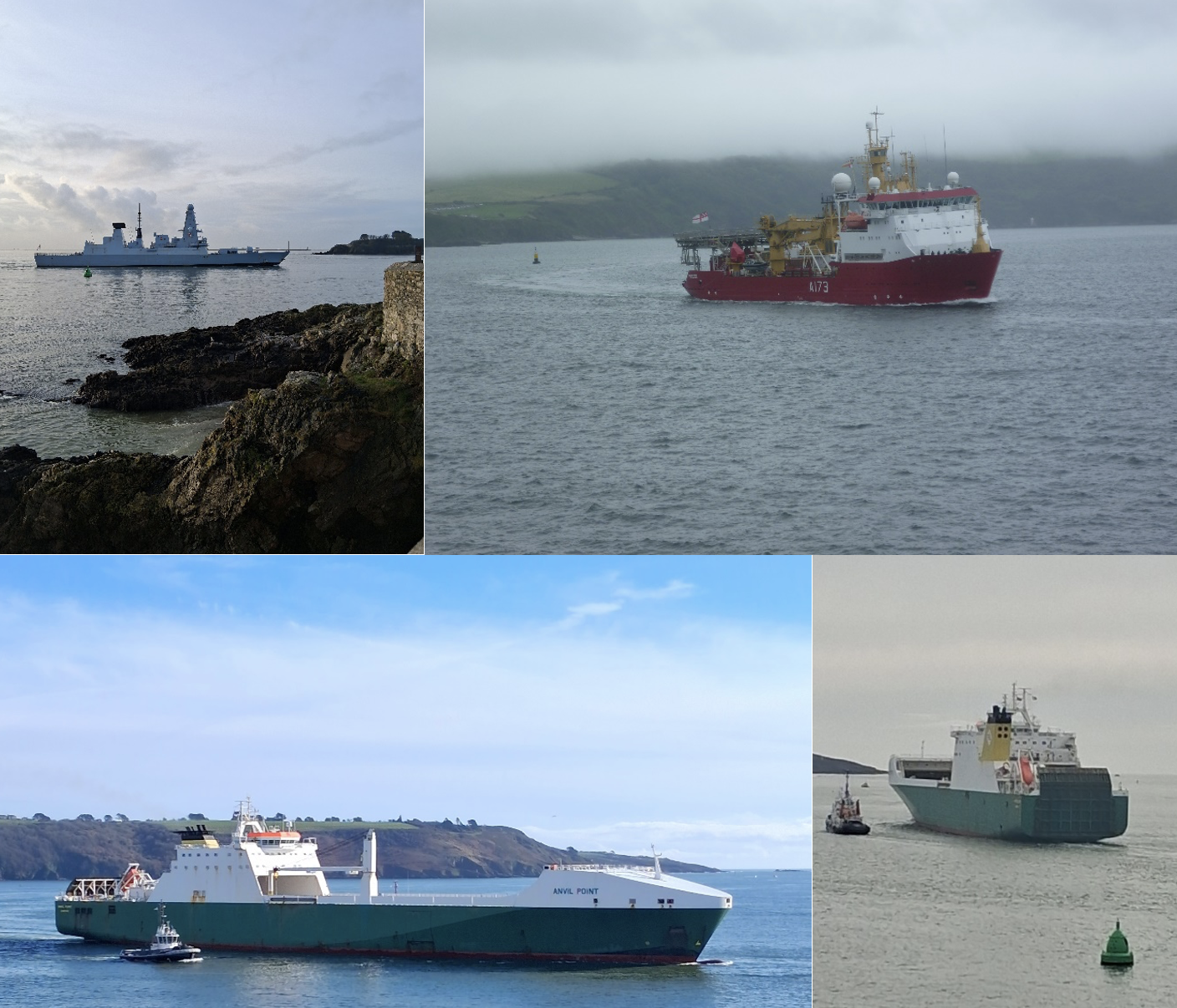
Clockwise from top left: HMS Duncan entering Plymouth on 13th Feb 26. HMS Protector arriving 27 Mar 23, and seen in the sound again this week. And below, Anvil Point arriving on 13th Feb 26 and departing Devonport on 17th. Note her large rear ramp for unloading heavy vehicles, such as the Army’s Main Battle Tanks (weighing about 75 tons when fully loaded for operations).
Unusually, there are no foreign warships training with FOST at the moment.
The latest at West Hoe Harbour
As already reported by The Beagle, the main core of the West Hoe Harbour has now been filled with reinforced concrete and works are proceeding to replace the outer stone layer.
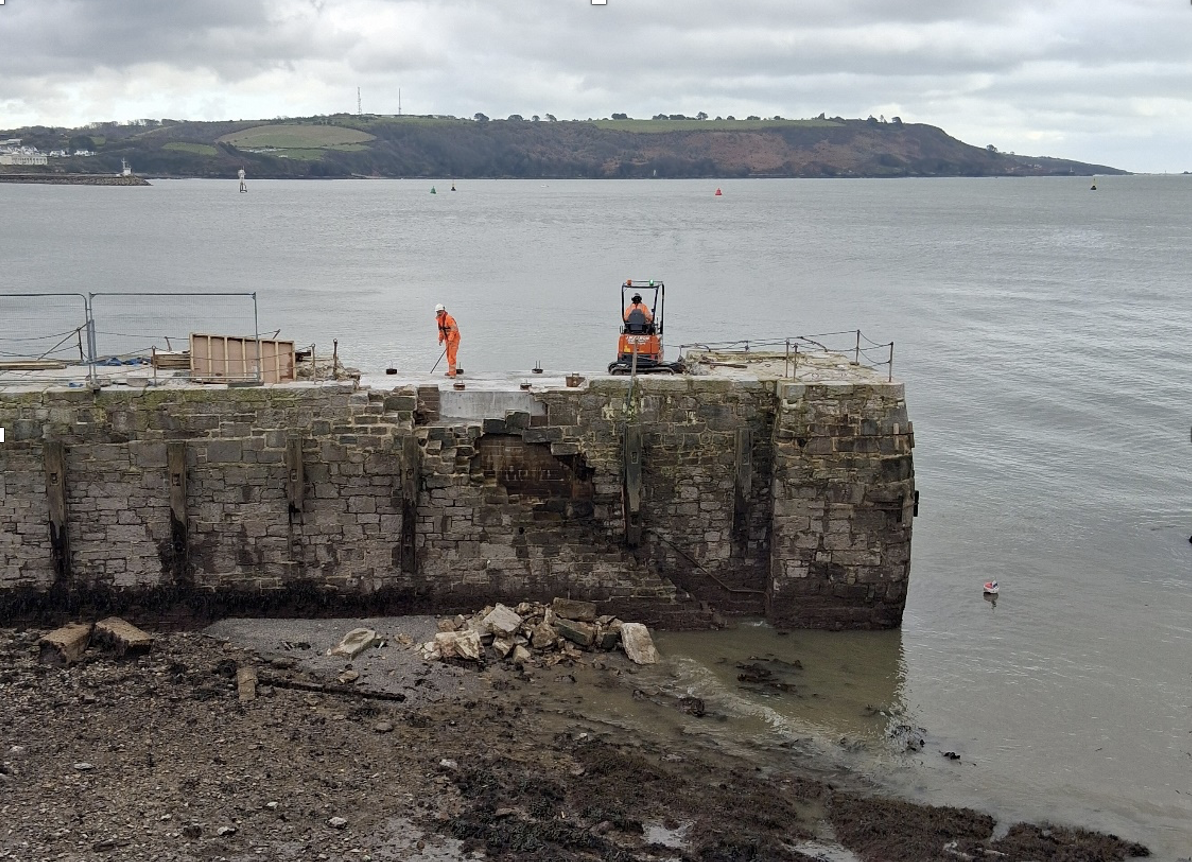
In this picture, taken at low water on Thursday, you can see the pile of (mainly) Plymouth limestone still lying on the floor of the harbour. It is assumed that the concrete will be covered in these stones in due course.
Fire station to be rebuilt
It’s stood at the gateway to Devonport dockyard for some 60 years. Now plans have been approved to transform Camels Head Fire Station.
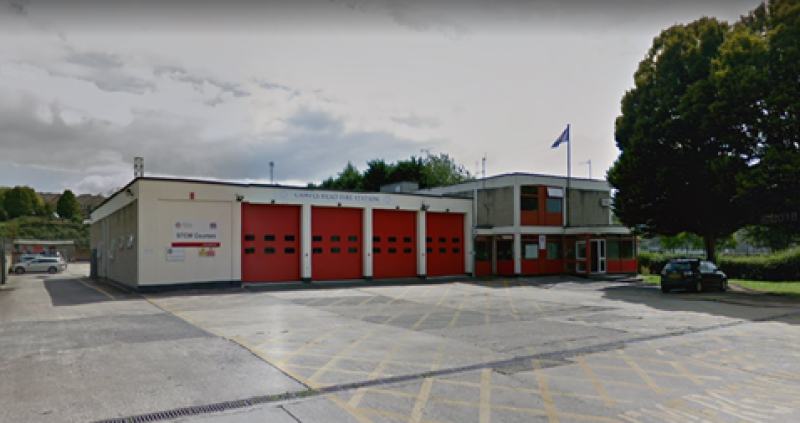
The current building is considered to have reached the end of its operational life. It will be replaced with a modern, purpose-built facility on the same site - meaning a location for a temporary replacement must be found.
Fence-watch!
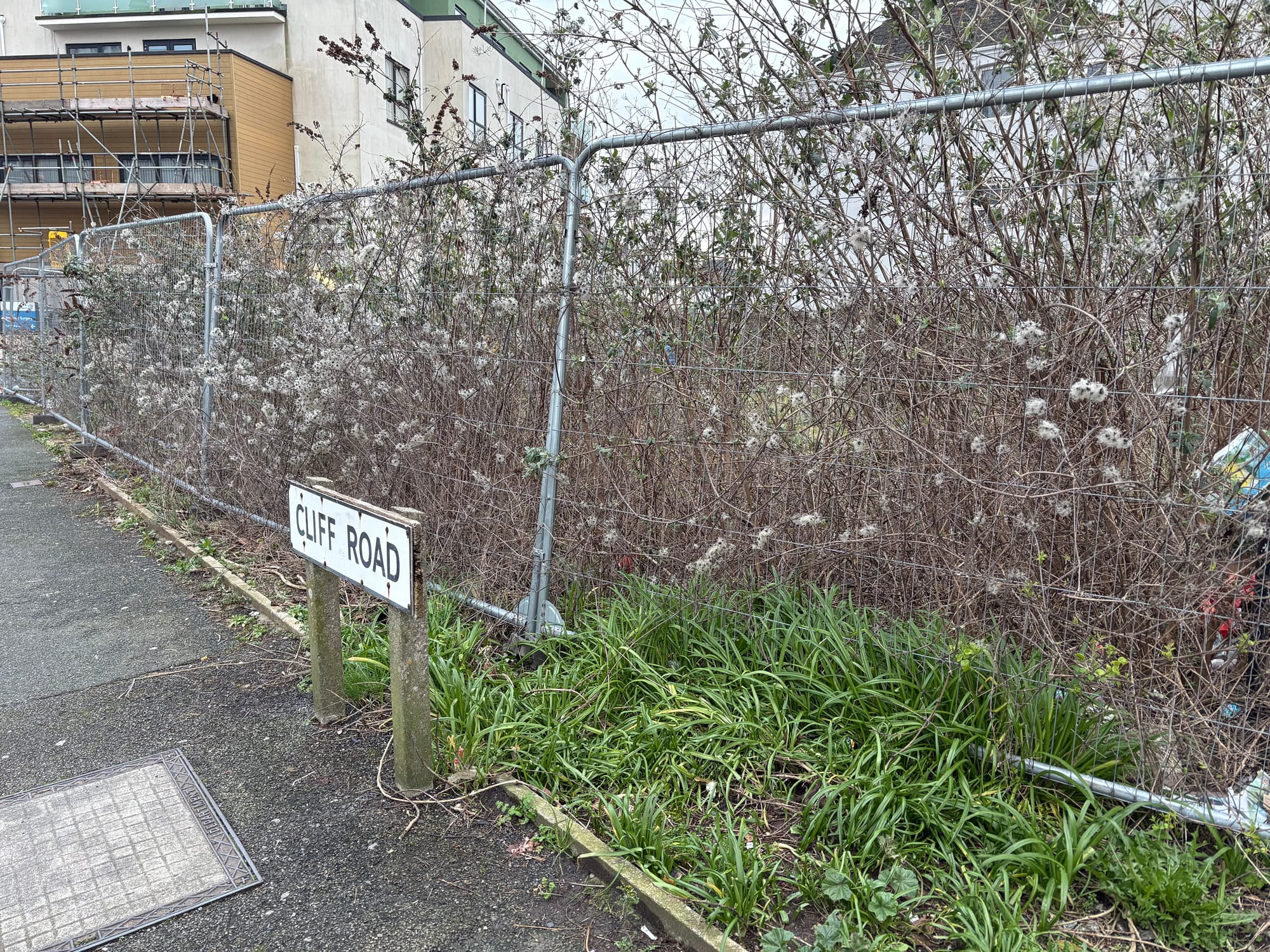
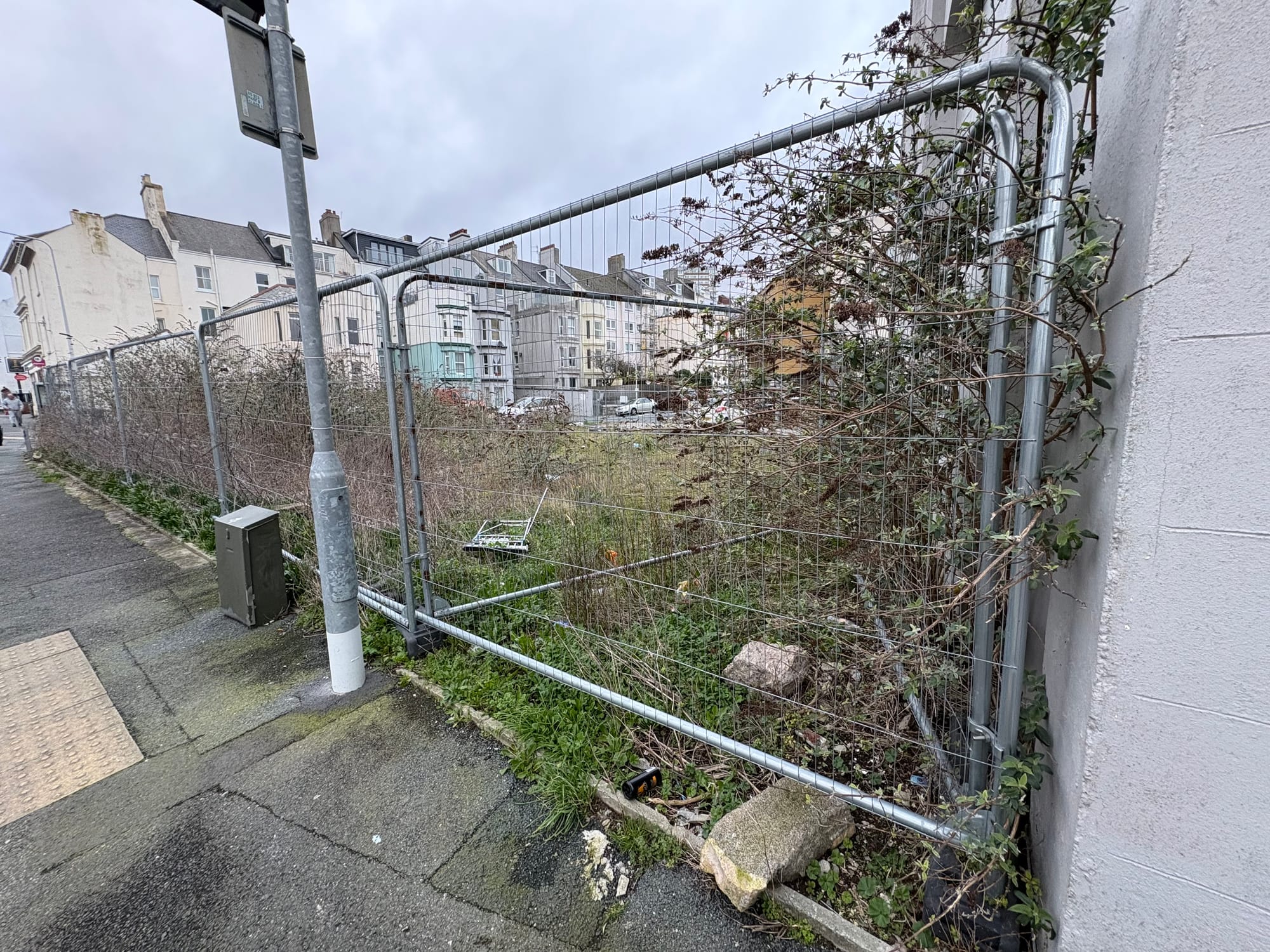
The latest in our series highlighting horrendous Heras fencing blighting the waterside communities features the junction of Cliff Road and Radford Road. This fencing has been in place for ages, surrounding a small piece of scrub land. So eager and hyperactive were the fencers that they created a triangularn “fence within the fence” - perfect for passers-by to use as a waste bin.
Have you spotted pointless fencing - or Heras that has been erected and then forgotten? Who owns all this clutter? Contact the Beagle
Advertisement

Rain delays the Royal Parade project
The relentless wet weather of 2026 has delayed the Royal Parade "improvements".
The original resurfacing programme had been scheduled to end on 6 February and two further weeks contingency had been pencilled in just in case timings slipped. Unfortunately, this ‘buffer’ has been eaten up by consistently rotten weather.
It means the grand re-opening of Royal Parade will now take place on Monday March 2.

Comments ()